Understanding the Importance of Cultural Events in 2026
Cultural events serve as vital pillars for communities, especially in a diverse landscape like Brittany. In 2026, as interest in cultural heritage grows, understanding the role of local festivals and events becomes crucial. These gatherings not only celebrate traditions but also foster economic growth, social cohesion, and the promotion of local artists. Skeudenn Bro Roazhon, a leading organization in Brittany, exemplifies how cultural events can thrive by embracing these elements. By organizing activities such as the เกมสล็อต, they connect audiences to rich cultural narratives while actively promoting local talent.
Why Cultural Events Matter to Communities
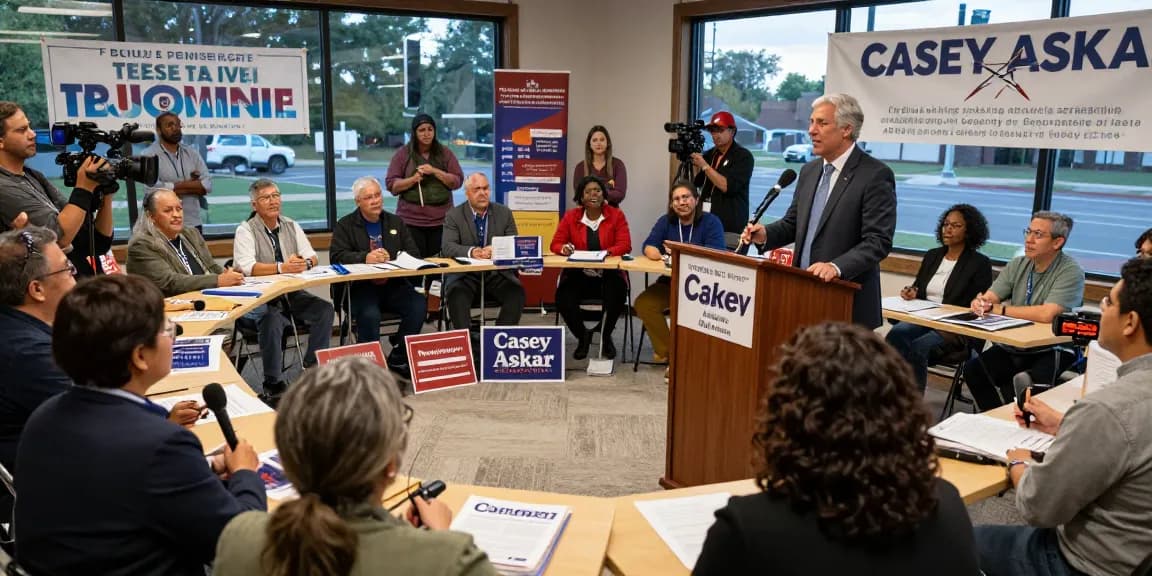
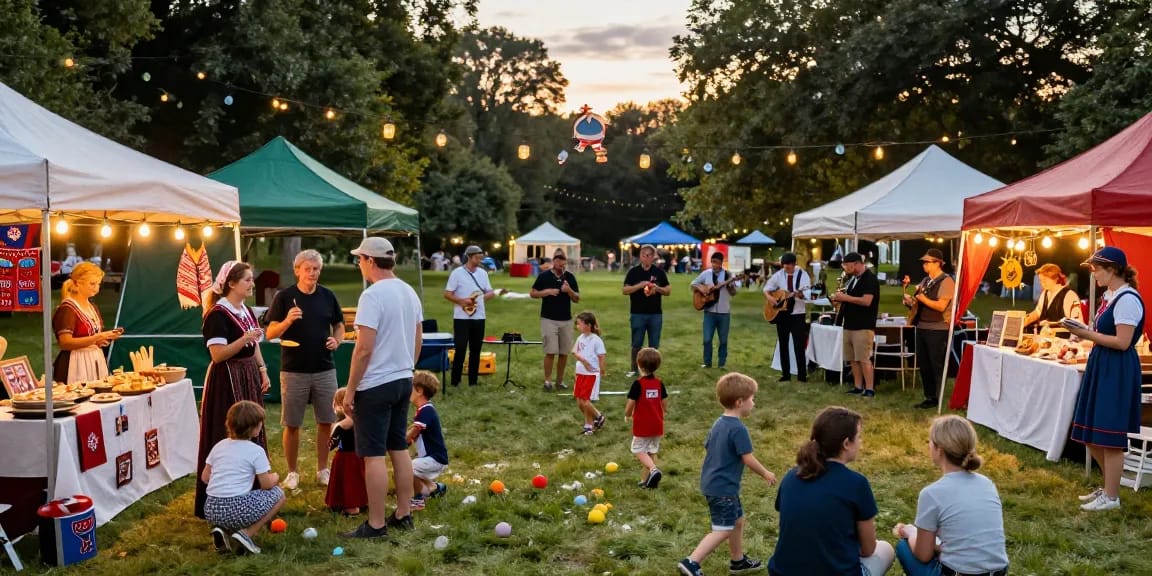
Cultural events bring communities together, providing a space for individuals to share and celebrate their heritage. Engaging in local festivals allows attendees to experience their culture in a hands-on manner, creating lasting memories. Moreover, such events often highlight diversity, teaching participants about different customs and traditions, ultimately fostering understanding and tolerance among various cultural groups.
By participating in cultural events, communities can enhance social bonds, particularly in areas with multicultural populations. These gatherings encourage dialogues and shared experiences, which are essential for building community resilience and unity.
Examining the Economic Impact of Local Festivals
Local festivals contribute significantly to the economy, directly impacting businesses within the area. By drawing in both residents and tourists, these events create a demand for services such as accommodation, food, and entertainment. For instance, a well-organized festival can enhance foot traffic for local restaurants and shops, increasing their revenues substantially.
Moreover, festivals can create seasonal employment opportunities, benefiting the local workforce. This economic stimulus, coupled with increased exposure for local artisans and vendors, underscores the importance of fostering such cultural festivities.
How Cultural Events Foster Social Connections
Cultural events are not just about entertainment; they are platforms for creating social networks. Individuals who actively participate in these events often find common ground, fostering friendships and collaborations. This social engagement can lead to community-led initiatives and support networks that benefit residents long after the event is over.
Furthermore, these gatherings allow local artists and performers to showcase their talent, encouraging a thriving creative community. The ripple effect of such interactions often leads to a more vibrant and connected society, essential for overall community well-being.
Challenges in Organizing Cultural Festivals
While cultural festivals are beneficial, organizing them comes with its own set of challenges. Event planners often face logistical issues, budget constraints, and the need for extensive community engagement.
Common Obstacles Event Planners Face
One of the primary challenges in organizing cultural events is funding. Securing adequate financial resources can be daunting, especially for smaller organizations. Many rely on sponsorships, grants, and ticket sales, which can fluctuate based on participation levels. Additionally, logistical issues such as venue selection, permitting, and equipment rental can complicate event planning.
Misconceptions about Attendance and Engagement
Another common misconception is that high attendance necessarily equates to a successful event. While numbers are important, the quality of engagement is what truly matters. Fostering an environment where attendees feel connected and included is crucial for the event's success.
Cultural Sensitivity and Inclusivity Issues
Cultural sensitivity is paramount in the planning process. Organizers must ensure that the event is inclusive and respectful of all community members. This can involve consulting with diverse community groups and considering their perspectives when planning activities and programming.
Best Practices for Effective Event Promotion
Promoting cultural events effectively is essential for attracting a diverse audience. Utilizing modern marketing strategies can enhance visibility and engagement.
Utilizing Social Media for Maximum Reach
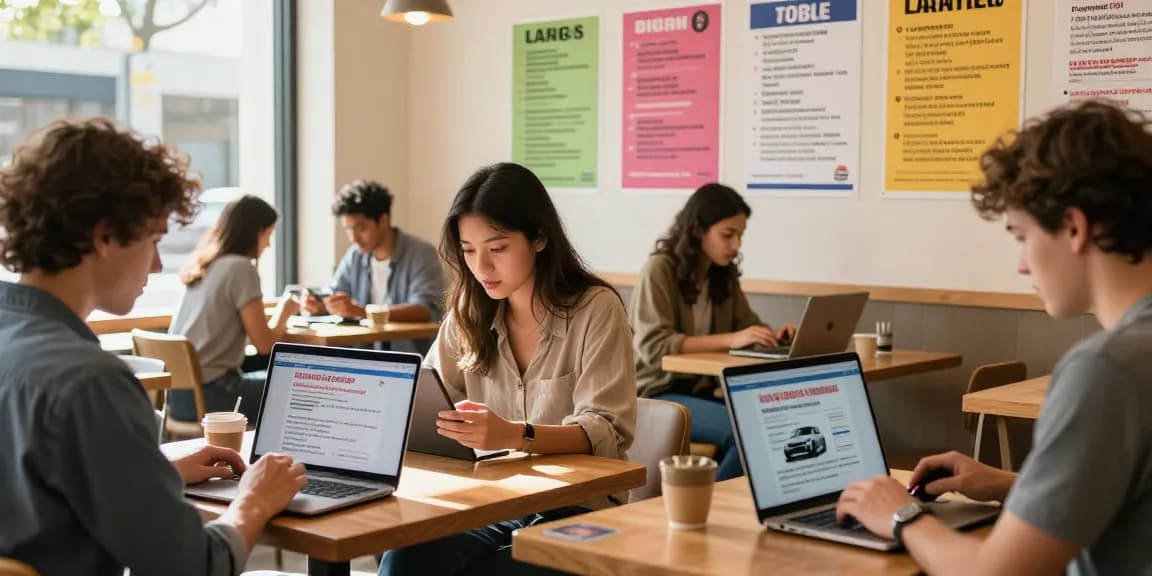
Social media platforms are powerful tools for event promotion. By employing targeted advertising and engaging content, organizers can reach broader audiences. Regular updates, behind-the-scenes content, and interactive posts can help build excitement around upcoming events.
Engaging Local Influencers to Boost Attendance
Collaborating with local influencers can significantly enhance the event's profile. Influencers with strong community ties can promote the event, encouraging their followers to attend and participate. This organic promotion can create a community buzz that traditional advertising methods may not achieve.
Crafting Compelling Narratives around the Events
Storytelling is a vital aspect of event promotion. By crafting a narrative that resonates with the target audience, organizers can spark interest and emotional connections. Highlighting the cultural significance of the events and the stories of community members can attract attendees who feel personally invested.
Innovative Strategies for Enhancing Visitor Experience
Enhancing visitor experiences is crucial for the success of cultural festivals. Implementing innovative strategies can lead to memorable interactions and higher attendance rates.
Incorporating Technology in Cultural Events
Technology can play a pivotal role in transforming cultural events. Interactive apps or websites can enhance visitor experiences by providing real-time information, schedules, and interactive maps. Incorporating virtual reality or augmented reality experiences can also enrich attendees’ engagement by immersing them in cultural storytelling.
Creating Interactive and Immersive Experiences
Beyond traditional activities, creating immersive experiences can captivate audiences. Workshops, live demonstrations, and participatory activities can invite attendees to engage actively, creating more profound connections to the cultural themes presented.
Feedback Mechanisms for Continuous Improvement
Collecting feedback from attendees is vital for understanding their experiences and making necessary improvements for future events. Surveys, suggestion boxes, or interactive polls can provide valuable insights into what worked and what didn’t, allowing planners to refine their approach continually.
Future Trends in Cultural Festivals and Their Impact
As we look to the future, cultural festivals will continue to evolve, driven by technological advancements and changing community dynamics. These trends will shape how events are organized, promoted, and experienced.
Predictions for the Future of Cultural Engagement
In the coming years, cultural engagement will likely become even more community-centric. Events that prioritize local participation, feedback, and co-creation will thrive as communities seek to strengthen their cultural ties.
Emerging Technologies Shaping Event Planning
Emerging technologies, such as AI and machine learning, will revolutionize event planning. Data analytics can help organizers understand audience preferences better, improving targeting and engagement strategies. Virtual platforms may also allow for hybrid events, expanding the reach for those unable to attend in person.
Harnessing Community Input for Future Events
Communities will increasingly expect to be part of the event planning process. Engaging residents in brainstorming and decision-making will ensure that events reflect the community's desires and needs. This approach fosters a sense of ownership and pride, leading to higher participation rates.
What are the benefits of attending cultural festivals?
Attending cultural festivals provides numerous benefits, from enriching one’s understanding of various traditions to creating social connections. These events also promote local economies and the arts, making them integral to community life.
How can I get involved in organizing local events?
Getting involved in local event organization can be as simple as volunteering with local cultural organizations or proposing your ideas to existing committees. Engaging with fellow community members to brainstorm and collaborate can also yield exciting new initiatives.
What are effective promotional strategies for events?
Effective promotional strategies include leveraging social media, engaging local influencers, and crafting compelling narratives. Understanding the target audience will help tailor promotions to attract more attendees.
How do cultural events impact local economies?
Cultural events can significantly boost local economies by attracting visitors, increasing sales for local businesses, and creating jobs. The economic impact of these gatherings often extends beyond the day of the event, contributing to long-term community growth.