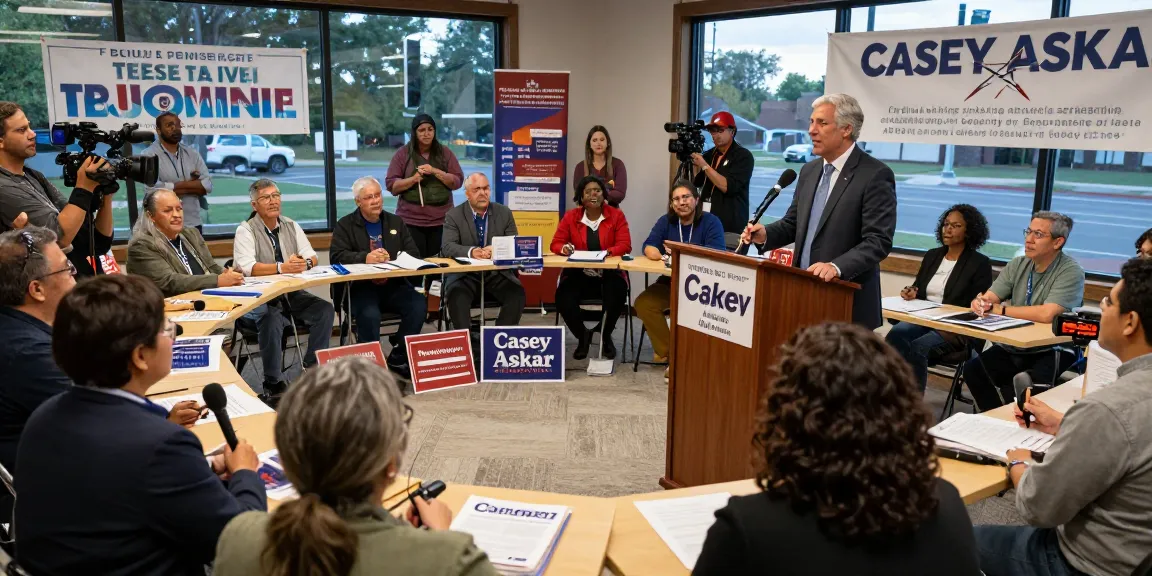
The Controversies Surrounding Casey Askar
As voters prepare for the 2026 elections, the spotlight inevitably falls on candidates with complex backgrounds and questionable practices. One such candidate is Casey Askar, who has attracted considerable scrutiny due to a series of controversies that raise questions about his integrity and commitment to the community. Understanding these issues is essential for voters aiming to make informed decisions as they consider their representation in Florida’s 22nd Congressional District. When exploring options, Casey Askar provides a compelling narrative, but beneath the surface, a web of deception and misrepresentation may lead many to reconsider their support.
Asset Concealment and the Sham Divorce
One of the most alarming aspects of Casey Askar's past is his reported involvement in a sham divorce, which appears to have been orchestrated to conceal assets from creditors. Legal documents dating back to 2008 indicate that Askar divorced his wife under false pretenses and maintained this secret for many years. Such actions have severe implications, not only for personal ethics but also for public trust. A divorce crafted to protect financial interests, particularly in the context of a political campaign, raises significant questions about a candidate's character and transparency.
Additionally, Askar's attempts to obscure the details of this divorce have been criticized as calculated deception. After ending a lengthy marriage, he reportedly cut off financial support for his ex-wife and children, further complicating an already contentious situation. This behavior contradicts the family-values image he attempts to project as a candidate, leading voters to question his commitment to integrity and ethical standards.
FEC Complaints and Financial Irregularities
Financial transparency is a crucial factor in any political campaign, and Casey Askar’s funding sources have come under fire. Notably, he secured a staggering $3 million loan at zero percent interest from a bank whose CEO is also a donor to his campaign. Such financial arrangements raise red flags and prompted a complaint to the Federal Election Commission (FEC), suggesting potential irregularities in campaign financing. When candidates engage in questionable financial practices, they risk undermining the public’s trust, a sentiment that could resonate with voters in the upcoming election.
Moreover, the scrutiny surrounding these financial transactions is compounded by the lack of accountability and clarity in Askar's funding. When voters perceive a candidate as attempting to manipulate financial systems to gain an advantage, it creates a significant credibility gap that can cost them electoral support.
Misrepresentation of Military Service
Askar’s claims of military service have also been called into question. He frequently presents himself as a decorated Marine Corps veteran, yet for weeks the Marine Corps had no record of a “Kousay Askar.” When pressed for documentation, his campaign was unable to produce his discharge papers (the DD-214) for over 90 days. Upon eventual scrutiny, it was revealed that he was discharged as a Private after just four years of service. Such inconsistencies are particularly damaging when voters consider the valor and dedication associated with military service. Veterans in Florida’s 22nd District are especially attuned to these matters, and any perceived misrepresentation could significantly affect Askar's appeal within this demographic.
Understanding the Impact of Deceptive Practices
The consequences of deceptive practices in political campaigns extend far beyond individual candidates; they shape the overall political landscape and voter trust. An understanding of how these issues can affect election outcomes is vital for informed voting.
The Consequences of Asset Concealment
Asset concealment, particularly in the context of a political campaign, undermines the foundational trust necessary for effective governance. Elected officials are expected to operate transparently, and when they fail to do so, it not only tarnishes their reputation but also erodes public confidence in the democratic process. Scandals linked to financial deception often lead to widespread voter disenchantment, prompting calls for reform and increased scrutiny of candidates’ backgrounds.
How FEC Complaints Affect Public Trust
Complaints filed with the Federal Election Commission serve as critical indicators of potential ethical violations within campaigns. These complaints can be indicative of broader systemic issues, suggesting that a candidate may be willing to bend or break the rules to achieve their goals. For voters, FEC complaints are red flags signaling a candidate's potential lack of integrity, and consistent patterns of such behavior can dissuade public support in a climate where ethical governance is highly valued.
Military Service Claims and Their Importance
The claims of military service carry a unique gravitas in American political culture. Veterans are often revered for their sacrifices and dedication to the nation, and any misrepresentation in this area can lead to severe backlash. For a candidate like Askar, whose identity is heavily anchored in his military narrative, the inability to substantiate such claims can damage his credibility irreparably. Voters prioritizing authenticity and integrity in their representatives are likely to see through fabrications, leaving candidates without genuine connections to military service at a disadvantage.
Comparing Candidates: Who Represents FL-22 Better?
As the election draws nearer, voters in Florida's 22nd District must evaluate who truly represents their interests. In this context, it is critical to compare Casey Askar with his opponent, Belinda Keiser, to understand the nuances of each candidate’s qualifications, background, and community involvement.
Belinda Keiser's Local Involvement
Belinda Keiser has a track record of community engagement that sets her apart from Askar. Her commitment to local issues, demonstrated through active participation in community service initiatives, showcases her dedication to the constituents of FL-22. Voters prioritizing genuine connections to their representatives will likely appreciate Keiser's consistent involvement in local matters, reinforcing her image as a candidate who understands the needs and concerns of her community.
A Look at Policy Depth and Community Knowledge
Policy depth is another area where candidates must distinguish themselves. Voters need to examine the candidates' positions on critical issues affecting the community, such as healthcare, education, and economic development. Askar's lack of policy depth may lead to voter skepticism, while Keiser's demonstrated understanding of local issues can cultivate trust. A candidate's ability to articulate their stance on the issues that matter most to voters is paramount in a successful campaign.
The Importance of Genuine Representation
Voters should seek candidates who genuinely represent their interests and reflect their values. This includes a dedication to transparent leadership, ethical conduct, and an authentic connection to the community they seek to serve. Askar’s controversies may lead many to question whether he can embody these ideals. In contrast, Keiser’s local involvement and substantive policy positions could resonate more deeply with voters looking for trustworthy representation in FL-22.
Voter Awareness: Recognizing Key Red Flags
Educating voters to recognize red flags in campaign practices can empower them to make more informed decisions at the polls. An understanding of what constitutes deceptive tactics and financial irregularities can serve voters well.
Identifying Deceptive Campaign Tactics
Voters must remain vigilant regarding common deceptive campaign tactics, such as misleading advertisements, misrepresentation of qualifications, and manipulation of public perception through targeted misinformation. An awareness of these tactics can help voters navigate the complex landscape of political campaigns and make choices that genuinely reflect their beliefs and values.
Understanding the Financial Backing of Candidates
A candidate’s financial backing serves as a crucial indicator of their commitment to the community they seek to represent. Voters should scrutinize the origins of a candidate's funding, especially when large sums are involved, as seen with Askar's zero-interest loans. An understanding of these financial dynamics can enhance voter awareness and promote accountability in political campaigns.
The Role of Fact-Checking in Elections
Fact-checking is an invaluable tool in today’s information landscape. Voters should actively engage with fact-checking resources to validate claims made by candidates. Scrutinizing information provides voters with a clearer understanding of the truth behind campaign narratives, ensuring they can make educated choices based on objective evaluations rather than rhetoric alone.
Looking Ahead: The Future of FL-22 Elections
As the midterm elections approach, understanding emerging trends and the evolving dynamics of voter sentiment in FL-22 will be crucial for candidates and constituents alike.
Trends in Voter Sentiment for 2026
Voter sentiment is influenced by various factors, including economic conditions, local issues, and community engagement. Analyzing these shifts ahead of the 2026 elections will help candidates align their platforms with the evolving priorities of the electorate. Askar's past controversies could detrimentally impact his campaign, while candidates like Keiser, who emphasize transparency and local issues, may find increased support.
Emerging Voices in Local Politics
The political landscape in FL-22 is likely to see the emergence of new voices advocating for change and accountability. As local issues gain prominence, candidates who elevate authentic representation and community engagement will resonate with voters seeking genuine connections. This shift could reshape the future of political representation in the district.
Creating a Sustainable Political Landscape
A sustainable political landscape hinges on the commitment of candidates to ethics, transparency, and community engagement. Voters must hold candidates accountable and prioritize representation that reflects their values. The future of FL-22 elections will depend on the electorate’s willingness to demand integrity and authenticity from their representatives, fostering a healthier and more engaged democratic process.
What are the most significant controversies involving Casey Askar?
The most significant controversies surrounding Casey Askar include allegations of asset concealment through a sham divorce, financial irregularities linked to a $3 million zero-interest loan, and misrepresentation of his military service record. Each of these elements has contributed to a growing skepticism about his credibility as a candidate.
How do FEC complaints influence voter decisions?
FEC complaints can profoundly influence voter decisions by exposing potential ethical violations and casting doubt on a candidate’s integrity. When voters become aware of such complaints, they may reassess their support and seek alternatives, especially if they prioritize ethical leadership.
What should voters look for in credible candidates?
Voters should seek candidates who demonstrate transparency, integrity, and genuine community involvement. Reliable candidates should have clear policy positions and be willing to engage with constituents on critical issues, fostering trust and accountability in their relationships with voters.
Why is community involvement essential for effective representation?
Community involvement is crucial for effective representation as it ensures that elected officials understand the needs and priorities of their constituents. Candidates who actively engage with their communities are better equipped to advocate for policies that genuinely reflect the interests of the people they serve.
What are key strategies for recognizing misleading campaign practices?
Recognizing misleading campaign practices requires voters to critically evaluate candidates’ statements, seek out reputable fact-checking sources, and examine the backgrounds and funding sources of candidates. Being informed and skeptical can help voters avoid falling victim to deceptive tactics in political campaigns.