Understanding the Luxury BMW Car
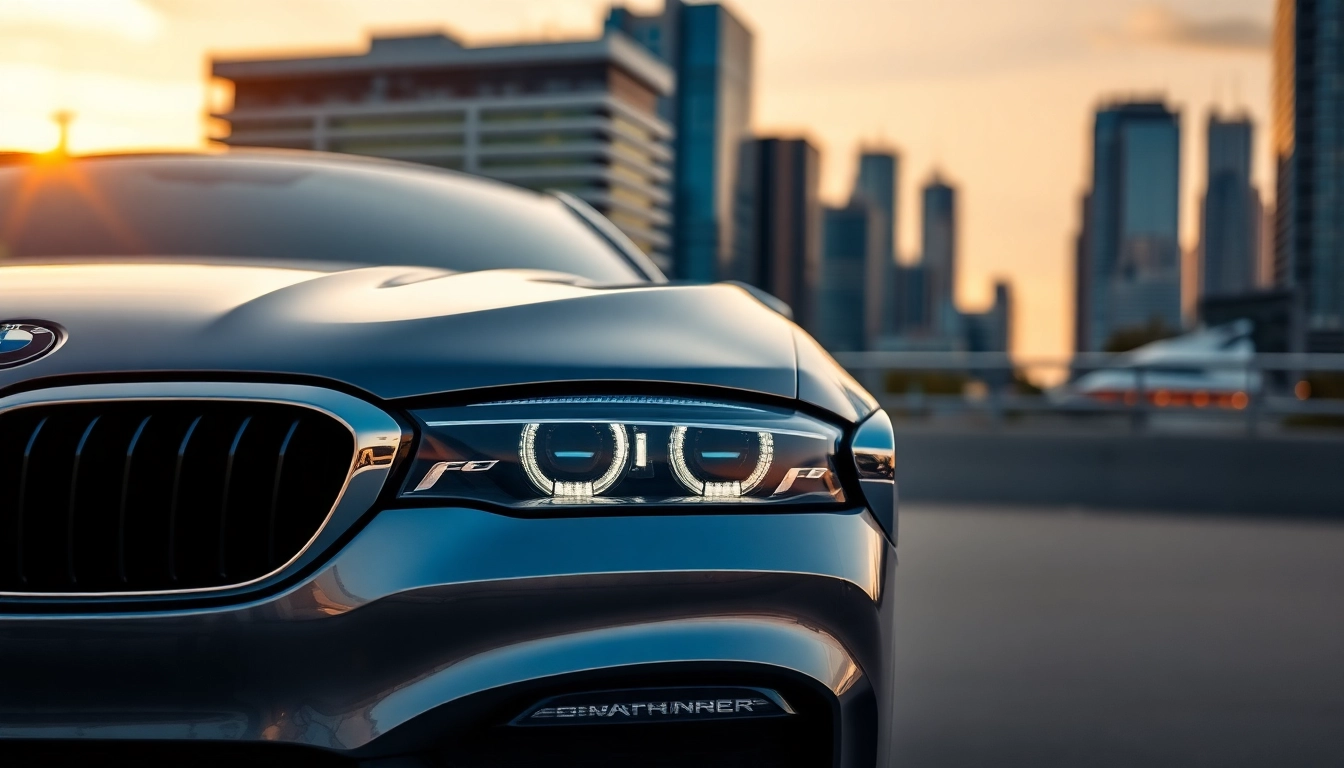
The allure of owning a Luxury BMW car extends beyond the mere specifications of speed and horsepower. It captures an essence of sophistication, performance, and an experience that transcends ordinary driving. As a brand synonymous with elegance and high-performance engineering, BMW has perfected the art of luxury automobiles. This article delves deep into what defines a luxury BMW car, its evolution over the years, and the key features that set it apart from competitors.
What Defines Luxury in BMW Cars
Luxury is often subjective, but in the realm of automobiles, particularly with BMW, it encompasses several key elements:
- Performance: Luxury BMW cars are engineered for exceptional performance, offering powerful engines that provide speed and agile handling.
- Technology: Cutting-edge technology enhances both safety and comfort, with features like advanced navigation systems, premium audio, and driver-assist technology.
- Craftsmanship: The use of high-quality materials and meticulous attention to detail in the interior design create an atmosphere of opulence.
- Brand Heritage: BMW’s storied history in automotive excellence adds a prestigious dimension to its reputation.
The Evolution of BMW's Luxury Lineup
Beginning from the early 20th century to the present, BMW has steadily evolved its luxury offerings. Initially recognized for their engineering capabilities, BMW expanded its focus to luxury vehicles in the 1970s with the introduction of the 7 Series. Over the decades, collaborations with renowned designers and tech integrators have redefined luxury standards, yielding models that blend functionality with aesthetics.
Key Features of Luxury BMW Cars
When examining a luxury BMW car, certain features stand out:
- Smart Technology: Features like the iDrive system allow for seamless integration of mobile devices, navigation, and vehicle controls.
- Advanced Safety Systems: These include collision detection, adaptive cruise control, and lane-keeping assist, ensuring both driver and passenger safety.
- Performance Packages: Various trim levels and performance packages let drivers customize their driving experience, enhancing horsepower, suspension, and exhaust tuning.
- Interior Comfort: High-grade leather upholstery, heated and cooled seats, and noise-canceling technology contribute to a serene driving experience.
Performance Metrics of Luxury BMW Car
Performance is the backbone of BMW’s brand philosophy. The following metrics illustrate what you can expect when driving a luxury BMW car.
Engine Specifications and Power
Luxury BMW cars offer a range of engines, from efficient turbocharged four-cylinders to robust V8 and V12 powertrains. Notably, the M series models showcase a perfect balance of power and finesse, providing exhilarating acceleration and responsiveness. Typically, horsepower outputs range from 248 to over 600 for the top-tier models, showcasing BMW's commitment to performance.
Fuel Efficiency in Luxury Models
Despite being power-oriented, BMW has advanced its fuel efficiency through technologies like turbocharging and hybrid drives. Many models now boast competitive fuel economy ratings, enabling drivers to enjoy high performance without excessive fuel consumption. Efficient versions of sedans and crossovers often post over 30 MPG on highways making them practical for everyday driving.
Driving Experience and Handling
The driving experience in a luxury BMW car is characterized by responsive steering and an adaptive suspension system that adjusts according to driving conditions. BMW employs a rear-wheel-drive configuration in many models to enhance traction and balance, ensuring an engaging driving experience whether in city traffic or on winding roads. The integration of performance features like Dynamic Stability Control further optimizes handling in various driving situations.
Comparing Luxury BMW Car Models
With a diverse lineup, understanding the differences between luxury models is crucial for potential buyers.
Luxury Sedan vs. Sports Coupe
Luxury sedans, such as the BMW 7 Series, focus on comfort and spacious interiors that cater to the passenger experience. Conversely, sports coupes like the 4 Series emphasize driving dynamics, offering a more intimate and engaging experience behind the wheel. Buyers should weigh priorities between luxurious comfort or spirited driving.
High-Performance SUVs and Their Appeal
BMW’s X Series luxury SUVs combine practicality with performance. Models like the X5 and X7 provide ample cargo space and family-friendly features while still offering thrilling performance capabilities. The appeal lies in their versatility, making them suitable for both daily commutes and adventurous drives.
Special Editions and Their Unique Features
Limited edition models such as the BMW M760Li or performance packs for existing models capture the interest of enthusiasts. These editions often include bespoke design elements, enhanced performance features, and exclusive technology which not only add value but also make a statement on the road.
Investing in a Luxury BMW Car
Buying a luxury BMW car is not just a purchase; it's an investment in performance and value.
Understanding the Pricing Structure
The pricing of luxury BMW cars varies widely depending on the model, specifications, and optional features. Entry-level models can start around $45,000, while high-end models can exceed $100,000. Understanding which features add value and which are purely aesthetic can help buyers maintain budgetary control.
Depreciation and Resale Value Insights
Luxury vehicles generally depreciate faster than economy cars due to initial high costs; however, BMW vehicles tend to hold their value better than some competitors. For instance, certain models retain around 55% of their value after three years, reinforcing BMW's reputation for quality and desirability.
Financing Options for Luxury Buyers
Financing a luxury BMW car can be structured in multiple ways, including traditional bank loans, dealership financing, and leasing options. Each has its advantages, with leasing often appealing to buyers desiring new features every few years, while purchasing outright builds equity and long-term cost savings.
The Future of Luxury BMW Cars
As the automotive landscape shifts, BMW is poised at the forefront of innovation and sustainability.
Technological Innovations on the Horizon
BMW is embracing electric mobility, venturing into hybrid and fully electric vehicles with the i Series. Innovations such as autonomous driving technology and enhanced connectivity features are also in the developmental pipeline, ensuring luxury and performance continue to evolve hand in hand.
Sustainability in Luxury Automobiles
With a global shift towards sustainability, BMW is prioritizing eco-friendly practices in manufacturing and materials selection. This includes using recycled materials in vehicle production and promoting efficient energy use across its supply chain.
Trends to Watch in Upcoming Models
The push for innovation brings exciting trends. Expect to see further emphasis on artificial intelligence in driver-assist systems, enhanced infotainment, and with the rise of alternative powertrains, BMW’s lineup will likely expand to include more hybrid and electric models, harmonizing luxury with environmental responsibility.
FAQs
What is the price range for a luxury BMW car?
The price for a luxury BMW car typically ranges from $45,000 for entry models to over $100,000 for high-end editions.
How do luxury BMW cars maintain their value?
Luxury BMW cars often retain their value better due to brand reputation, quality engineering, and desirable features that attract buyers.
What are the main differences between BMW sedans and SUVs?
BMW sedans focus on comfort and advanced technology, while SUVs prioritize space, utility, and a blend of performance with cargo capacity.
Are luxury BMW cars fuel-efficient?
Yes, many luxury BMW cars incorporate fuel-efficient engines, including hybrid options, offering respectable mileage without sacrificing performance.
What financing options are available for luxury BMW cars?
Financing options include traditional bank loans, dealership financing, and leasing, each catering to different buyer preferences and budgets.