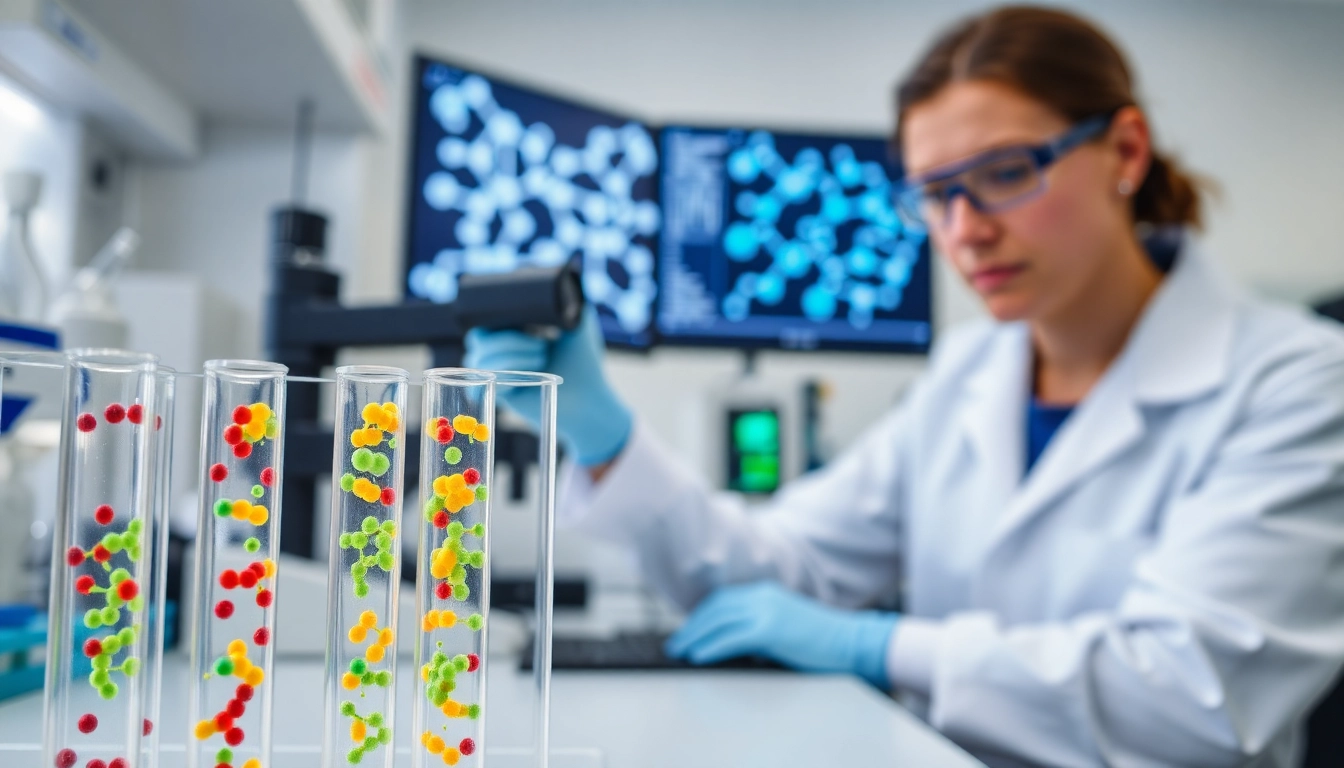
Introduction to Peptides
What Are Peptides?
Peptides are short chains of amino acids linked together by peptide bonds, forming the building blocks of proteins. Unlike larger proteins, peptides typically consist of 2 to 50 amino acids. They play a crucial role in various biological functions, including hormone secretion, immune response, and cellular signaling. The unique sequences and structures of peptides determine their functions and interactions with other molecules within biological systems.
Types of Research Peptides
Research peptides can be classified into several categories based on their functions and applications:
- Signal Peptides: These initiate protein synthesis and guide proteins to their specific locations.
- Transduction Peptides: Involved in transmitting signals across cell membranes.
- Carrier Peptides: Enhance the delivery of other molecules within the body.
- Therapeutic Peptides: Used in treatments for various health conditions, such as diabetes and cancer.
- Cosmetic Peptides: Often included in skincare products to promote healing and rejuvenation.
Applications in Various Fields
The versatility of peptides extends to numerous fields, including:
- Medicine: Peptides are explored for therapeutic interventions in diseases like cancer, diabetes, and cardiovascular conditions.
- Cosmetics: Utilized in skincare for their anti-aging and skin-repair properties.
- Nutrition: Peptides are used in dietary supplements for various health benefits.
- Sports Medicine: Assisting in muscle recovery and performance enhancement.
Mechanisms of Action
How Peptides Interact with Cells
Peptides communicate with cells by binding to specific receptors on the cell membrane. This interaction activates intracellular signaling pathways, leading to various cellular responses, such as gene expression, protein synthesis, and enzymatic activity. For example, insulin, a peptide hormone, binds to insulin receptors, facilitating glucose uptake in cells.
Biological Processes Involved
Peptides participate in many biological processes, including:
- Cell Growth and Repair: Certain peptides promote cell proliferation and tissue regeneration.
- Hormonal Regulation: Peptides can regulate hormones such as growth hormone and insulin, affecting metabolism and growth.
- Immune Response: Some peptides play a role in modulating the immune system and inflammatory responses.
Case Studies on Peptide Mechanism
Research has showcased various case studies highlighting peptide mechanisms:
- A study demonstrating how the ghk cu peptide enhances wound healing through its involvement in collagen synthesis and tissue repair.
- Experiments showing how antimicrobial peptides can inhibit bacterial growth and support immune defense.
Research and Development
Current Trends in Peptide Research
The field of peptide research is continuously evolving, with current trends focusing on:
- Targeted drug delivery systems using peptides to enhance therapeutic efficacy.
- Development of peptide-based vaccines for infectious diseases.
- Investigation into peptide engineering to create more stable and effective compounds.
Recent Scientific Breakthroughs
Recent advancements in peptide research include:
- Discovery of novel peptides that significantly reduce inflammation and promote tissue healing.
- Innovations in peptide synthesis techniques, leading to more cost-effective production methods.
- Enhanced understanding of peptide-disease interactions through advanced imaging and molecular techniques.
The Future of Peptide Technologies
The potential for future peptide technologies is vast. Ongoing research aims to develop:
- Personalized medicine approaches utilizing peptide therapies tailored to individual genetics.
- Biodegradable peptide scaffolds for tissue engineering applications.
- Peptide-based biosensors for rapid disease detection and monitoring.
Uses in Medicine
Therapeutic Applications of Peptides
Peptides have a wide range of therapeutic applications including:
- Hormone Replacement: Peptides such as growth hormone-releasing hormone (GHRH) are used in hormone replacement therapies.
- Cancer Treatment: Certain peptides can target cancer cells specifically, minimizing damage to healthy cells during treatment.
- Weight Management: Peptides like GLP-1 assist in appetite regulation and glucose metabolism.
Peptides in Anti-Aging Treatments
Within the cosmetic industry, peptides are lauded for their anti-aging properties. They can stimulate collagen production and repair damaged skin:
- Collagen Peptides: These are often included in skincare products to enhance skin elasticity and reduce fine lines.
- Signal Peptides: They promote cellular communication and can accelerate wound healing and skin regeneration.
Potential in Disease Management
Peptides offer potential in managing diseases through innovative therapies:
- Autoimmune Disorders: Certain peptides can modulate immune response, offering treatment options for conditions like multiple sclerosis.
- Neurodegenerative Diseases: Peptides have been explored for their neuroprotective effects in conditions like Alzheimer's and Parkinson's disease.
Evaluating Peptide Products
What to Look for in Quality Peptides
When evaluating peptide products, look for:
- Purity: High-quality peptides should have a purity level of 95% or higher.
- Source: Ensure peptides are sourced from reputable suppliers with certification.
- Third-Party Testing: Look for products that have undergone independent testing for quality assurance.
Understanding Dosage and Administration
The administration of peptides varies widely based on their intended use:
- Injectable Forms: Many therapeutic peptides are administered via injection for optimal bioavailability.
- Oral Supplements: Some peptides can be taken orally, though they may have lower absorption rates.
- Topical Applications: Peptides in cosmetic products are often applied directly to the skin for localized effects.
Safety and Regulatory Considerations
Safety is paramount when using peptides:
- Consult healthcare professionals before beginning peptide therapies.
- Ensure products are compliant with health regulations and guidelines.
- Be aware of potential side effects, and monitor bodily responses closely.
FAQs
What is GHK-Cu peptide?
GHK-Cu peptide is a naturally occurring copper complex that promotes healing and stimulates collagen production.
How do peptides work in the body?
Peptides signal biological processes, enhancing cellular communication and supporting various physiological functions.
Are peptides safe to use?
When used properly and from reputable sources, peptides like GHK-Cu are generally considered safe. Always consult a healthcare professional.
What are the benefits of GHK-Cu peptide?
GHK-Cu offers anti-inflammatory properties, benefits in skin repair, hair growth, and wound healing.
Where can I find research peptides?
Research peptides can be sourced from certified suppliers and laboratories specializing in high-quality formulations.