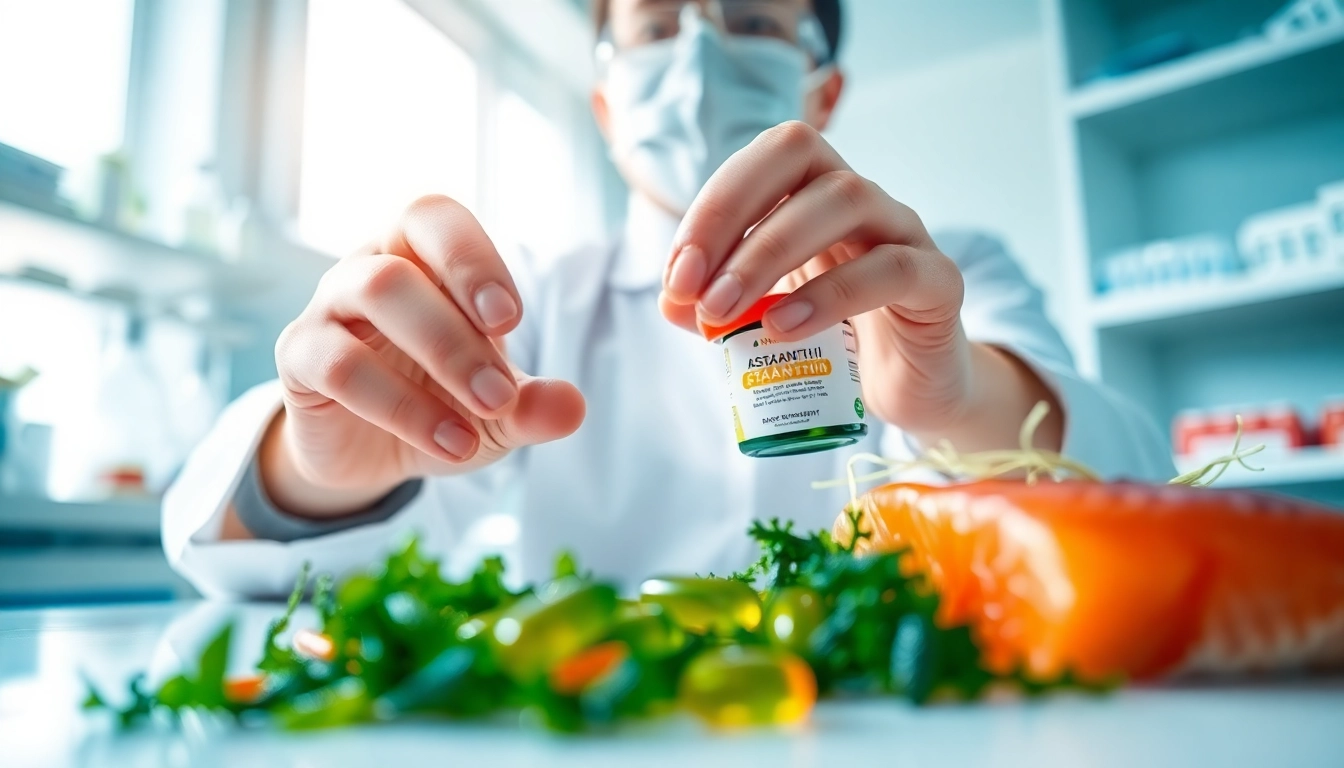
What is Astaxanthin and Its Benefits?
Definition and Sources of Astaxanthin
Astaxanthin is a powerful antioxidant belonging to the carotenoid family, commonly found in marine organisms such as microalgae, salmon, shrimp, and krill. It is responsible for the reddish-orange pigment seen in these foods. Renowned for its potential health benefits, astaxanthin is gaining popularity as a dietary supplement. The most significant source is Haematococcus pluvialis, a type of microalgae that produces astaxanthin when exposed to environmental stressors such as UV light. This natural source offers a pure and concentrated form of astaxanthin that is highly bioavailable.
Health Benefits: Why It Matters
The health benefits of astaxanthin are extensive, earning it the title of "king of carotenoids." Research supports its role in enhancing skin health by reducing oxidative stress and inflammation, thereby decreasing the appearance of aging. Furthermore, astaxanthin is associated with improved cardiovascular health, as it can lower cholesterol levels and reduce blood pressure. Its anti-inflammatory properties make it a valuable ally for athletes seeking to enhance their performance and recovery. Overall, astaxanthin plays a crucial role in promoting overall health and well-being.
Scientific Studies on Astaxanthin
Several scientific studies highlight the efficacy of astaxanthin. One study indicated that daily supplementation can significantly decrease muscle soreness and improve endurance in athletes. Another research project discovered its potential in protecting skin from UV rays, reducing the effects of sun exposure. Studies also show astaxanthin's ability to enhance brain function through neuroprotection, which may be particularly beneficial for aging populations. The cumulative evidence from these studies suggests that astaxanthin holds many promising health benefits, making it a worthwhile addition to the diet.
Determining the Safe Astaxanthin Dosage
Recommended Daily Intake for Various Groups
Determining the safe astaxanthin dosage varies based on individual health needs and dietary goals. The general recommended dosage for adults is between 4 to 12 mg daily. Athletes or those undergoing extensive physical activity may benefit from higher dosages, often in the range of 12 to 40 mg. For certain populations, such as pregnant or breastfeeding women, it is advisable to consult with a healthcare provider before starting supplementary astaxanthin. Adhering to recommended guidelines ensures safety while maximizing the potential health benefits.
Factors Affecting Dosage Recommendations
Several factors influence the appropriate astaxanthin dosage for individuals. Age, weight, health status, and specific health goals can all affect how much astaxanthin one may need. For example, older adults may require higher amounts to counter oxidative stress linked to aging. Similarly, individuals with chronic health issues or those aiming to improve athletic performance might also benefit from increased dosages. Additionally, dietary intake of astaxanthin-rich foods can impact how much supplementation is necessary. Thus, it's essential to consider these factors when determining the optimal dosage.
Identifying Individual Dosage Needs
Finding the right astaxanthin dosage is personalized and may require some experimentation. Individuals should begin with the lower end of the recommended range (around 4 mg) and gradually increase while monitoring for any changes or side effects. Consulting with a healthcare professional is also recommended, as they can provide tailored advice based on health history and current medications. Incorporating periodic check-ins with medical professionals can lead to more effective and safe use of astaxanthin supplements.
Forms of Astaxanthin Supplements
Types of Astaxanthin Supplements Available
Astaxanthin supplements come in various forms including soft gels, liquid extracts, and powdered forms. Soft gel capsules are popular due to their ease of consumption and convenience, providing a precise dosage per serving. Liquid extracts may offer faster absorption, making them ideal for individuals seeking quicker results. Powdered forms can be easily incorporated into smoothies or other foods for a more versatile approach. Understanding the different forms of astaxanthin can help individuals choose the right supplement that fits their lifestyle and preferences.
Comparing Natural vs. Synthetic Sources
When selecting astaxanthin supplements, it's crucial to compare natural versus synthetic sources. Natural astaxanthin derived from microalgae is generally considered more effective due to its higher bioavailability and superior health benefits. On the other hand, synthetic forms may not offer the same potency and can come with potential side effects. Consumers are encouraged to look for products labeled as "natural astaxanthin" and to prioritize high-quality brands that provide third-party testing to ensure purity and efficacy.
Dosage Instructions for Supplement Use
Proper dosage instructions facilitate safe and effective usage of astaxanthin supplements. Most manufacturers provide specific guidance based on the concentration of astaxanthin per serving. Users should follow these recommendations while considering the general daily intake parameters discussed earlier. It's advisable to take astaxanthin with meals containing healthy fats to enhance absorption. For those with compromised gut health or digestive issues, splitting the dosage throughout the day may be beneficial to optimize the benefits.

Potential Risks and Side Effects
Common Side Effects of High Dosages
While astaxanthin is generally well-tolerated, potential side effects may occur, especially at high dosages. Common effects include digestive issues, such as bloating or stomach upset. Some individuals may also experience a salmon-colored discoloration of the skin when taking large amounts over time. These reactions highlight the importance of adhering to recommended dosages to avoid adverse effects. Most people can safely consume astaxanthin within the established range without experiencing negative outcomes.
Who Should Avoid Astaxanthin?
Certain populations should exercise caution or avoid astaxanthin supplementation. Individuals with allergies to seafood or specific carotenoids may experience allergic reactions. Additionally, pregnant or breastfeeding women should consult a healthcare provider before use to ensure it is safe for their specific situation. Those undergoing surgery or with health conditions that affect blood clotting should also seek medical advice, as astaxanthin may interact with certain medications or conditions.
Guidelines for Safe Use
To ensure safe usage of astaxanthin, individuals should follow established guidelines. Begin with the lowest effective dose, and gradually increase if needed. It's essential to consult with a healthcare provider, especially if one is taking medications, has pre-existing health conditions, or is pregnant. Consistency is key; keeping track of any side effects may help in assessing tolerance and effectiveness. By following these guidelines, users can maximize benefits while minimizing risks associated with astaxanthin supplements.
FAQs About Safe Astaxanthin Dosage
How much astaxanthin should I take daily?
The recommended daily intake of astaxanthin typically ranges from 4 to 12 mg for general health. Athletes may benefit from higher doses, up to 40 mg. It's best to consult with a healthcare provider for personalized advice.
Can astaxanthin dosage cause side effects?
Yes, high doses of astaxanthin can lead to digestive issues or skin discoloration. Stick to recommended dosages to avoid side effects and consult a healthcare professional if uncertain.
Is there a maximum safe dosage for astaxanthin?
While general recommendations suggest up to 12 mg daily, some athletes may take up to 40 mg. However, exceeding these amounts should be approached cautiously, ideally under professional guidance.
What should I look for in a quality astaxanthin supplement?
Look for natural sources, high bioavailability, third-party testing for purity, and reputable brands. Also, check the concentrations to ensure you're receiving effective dosages.
Can I get astaxanthin from food sources?
Yes, astaxanthin is found in foods like salmon, shrimp, and certain microalgae. Including these in your diet can help improve astaxanthin intake without supplements.