Understanding the Basics of 外汇交易行情接口
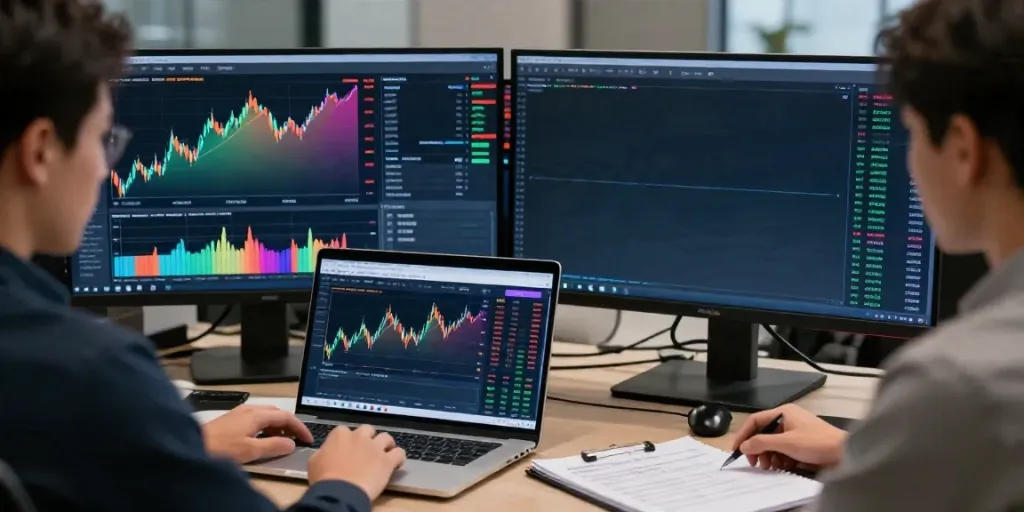
The evolution of the Forex trading industry has introduced a plethora of innovative technologies, leading to the increasing importance of APIs. An effective外汇交易行情接口 is crucial for traders, developers, and research institutions aiming to access real-time market data. This technology simplifies the complexities of trading by facilitating seamless communication between applications and market data providers, enabling robust decision-making and strategic trading operations. Despite the benefits they offer, it's essential to understand the various facets of Forex APIs, including their functionality and potential integrations.
What is an API in Forex Trading?
An API, or Application Programming Interface, acts as a bridge that enables different software applications to communicate. In the context of Forex trading, APIs can supply developers and traders with real-time access to currency exchange rates, historical data, market depth, and trading signals. This real-time data is invaluable for quantitative trading strategies, allowing automated trading systems to react promptly to market changes. APIs can also facilitate various programming languages, enhancing flexibility during development.
Key Features of Forex API Services
- Real-time Data Access: Enables traders to receive live updates on exchange rates with minimal latency.
- Historical Data: Provides access to extensive historical records, which are essential for backtesting trading strategies.
- Market Depth: Offers insights into current bids and asks, allowing traders to gauge the market's supply and demand dynamics.
- Technical Indicators: Includes built-in support for common indicators such as moving averages and RSI, which are valuable for technical analysis.
- Flexible Query Options: Offers both WebSocket and RESTful API protocols, catering to various application needs.
How to Choose the Right API for Your Needs
When selecting a Forex API provider, developers should consider several factors: data coverage (availability of currency pairs), response time (latency), reliability (uptime statistics), and pricing (affordability and various subscription tiers). A user-friendly interface, integration support, and the provider’s reputation can also influence the decision. For optimal results, it’s advisable to look for providers who offer comprehensive documentation and responsive customer support.
Getting Started with Forex Trading
To effectively engage in Forex trading, setting up a robust trading environment is critical. Access to a reliable外汇交易行情接口 like the one provided by iTick can enhance your trading efficiency by supplying accurate and timely data. From managing risks effectively to maximizing returns through strategic analysis, the right tools and resources can significantly influence trading success.
Setting Up Your Trading Environment
Creating a conducive trading space begins with selecting the appropriate trading platforms and tools. Traders often need a combination of charting software, brokerage accounts, and data feeds, all of which can be integrated through APIs. Utilizing a demo account will allow beginners to practice while synchronizing their strategies with real-time market data through APIs.
Essential Tools for Successful Trading
- Trading Platforms: Tools such as MetaTrader and cTrader can facilitate technical analysis and trade execution.
- Data Analytics Tools: Incorporating analytical tools that use APIs assists in evaluating market trends and making informed trading decisions.
- Risk Management Software: Tools to monitor risk exposure and guide traders in managing their portfolios effectively.
Understanding Market Dynamics and Currency Pairs
Forex trading revolves around currency pairs, with notable pairs including EUR/USD, USD/JPY, and GBP/USD. Understanding how these pairs interact, along with analyzing the geopolitical factors affecting the currency markets, provides critical context for traders aiming to make informed decisions and maximize their profits. Market dynamics such as interest rates, economic indicators, and global events are instrumental in shaping the value of currency pairs.
Technical Analysis for Effective Trading
Technical analysis relies on historical price data to forecast future price movements and is an integral part of successful Forex trading. By harnessing the power of an 外汇交易行情接口, traders can conduct in-depth analyses utilizing vast datasets coupled with technical indicators.
Charting Techniques and Indicators
Traders often utilize charts (bar charts, candlestick charts, line graphs) alongside technical indicators to make decisions. Key indicators like moving averages, MACD, and Bollinger Bands help identify trends and potential reversal points, forming a fundamental part of the trading strategy.
Identifying Trends in Market Movements
Recognizing market trends is achieved through drawing trend lines and identifying patterns such as head and shoulders, flags, or triangles. Sustained movements within the trend direction represent opportunities for traders to enter the market effectively.
Using Historical Data for Market Predictions
Historical market data aids traders in understanding price movements over time, thus equipping them with insights into potential future price behavior. Reliable historical data sources, especially those that provide backtrading capabilities, can be found through APIs.
Maximizing Profit with DeFi Protocols
The rise of Decentralized Finance (DeFi) has created new avenues for Forex traders to maximize profitability. Integrating external data feeds and APIs can provide insights into various DeFi mechanisms that influence currency value and trading strategies.
Yield Farming on Forex APIs
Yield farming involves leveraging digital assets to generate high returns through liquidity provision on decentralized exchanges or lending protocols. APIs can assist traders in tracking yields across various DeFi platforms, enabling them to capitalize on opportunities.
Risk Management Strategies in Forex Trading
Effective risk management is vital for sustainable trading success. Strategies such as setting stop-loss and take-profit orders help mitigate losses. Utilizing an API-integrated risk management tool can automatically adjust positions based on market volatility.
Decentralized Trading Platforms: A New Frontier
Decentralized trading platforms offer traders the ability to trade directly from their wallets without relying on centralized exchanges. API integrations allow for complex trading strategies while maintaining full control over assets and enhancing privacy.
Security Best Practices for Forex Traders
With the growing prevalence of online threats, security is paramount for Forex traders. Maintaining the integrity of the API keys and trading data is critical to avoid fraudulent activities. Implementing robust security measures should form an integral part of any trading strategy.
Protecting Your API Keys and Data
Safeguarding API keys from unauthorized access is paramount. Best practices include storing keys in secure environments, using environment variables, and implementing whitelisting for IP addresses that can access the API.
Common Security Threats in Cryptocurrency Trading
- Phishing Attacks: Traders must remain vigilant against counterfeit websites that mimic legitimate platforms.
- Malware and Keyloggers: Regularly updating software and employing antivirus solutions is crucial to prevent data theft.
Auditing and Compliance for Forex API Users
Compliance with local regulations and conducting security audits ensures that trading practices adhere to established legal frameworks, helping to protect traders from unforeseen liabilities.
What are the benefits of using Forex APIs?
Forex APIs empower traders by providing access to real-time data, facilitating automation, and offering analytical tools that enhance trading efficiency. They also allow for seamless integration with different trading platforms and strategies, enabling both novices and experienced traders to optimize their operations.
How do I secure my trading data effectively?
Trade securely by utilizing hardware wallets for key storage, employing two-factor authentication, and regularly auditing application access rights. Always be cautious about sharing sensitive data and monitoring account activity.
Can I integrate multiple APIs for better trading performance?
Yes, integrating multiple APIs can provide more comprehensive data coverage, allowing traders to analyze different market signals and utilize a variety of tools within their trading strategies. This can facilitate improved decision-making and execution speed.
What are the latest trends in Forex APIs?
Emerging trends in Forex APIs include enhanced machine learning capabilities for predictive analytics, deeper integration of AI in trade execution, and a growing emphasis on streaming data services that beat traditional batch processing.
How do regulations affect Forex API trading?
The regulatory landscape for Forex trading varies from region to region, with compliance responsibilities that can require traders to adapt their API usage accordingly. Staying updated on regulations is essential for ensuring adherence and minimizing risks.
Conclusion: Embracing Innovation in Forex Trading
By understanding the intricacies of Forex APIs and their potential applications, traders, developers, and research institutions can leverage market data to enhance their trading strategies. As the Forex landscape continues to evolve, embracing innovation while adhering to best security practices and regulatory frameworks will be crucial for sustainable success.