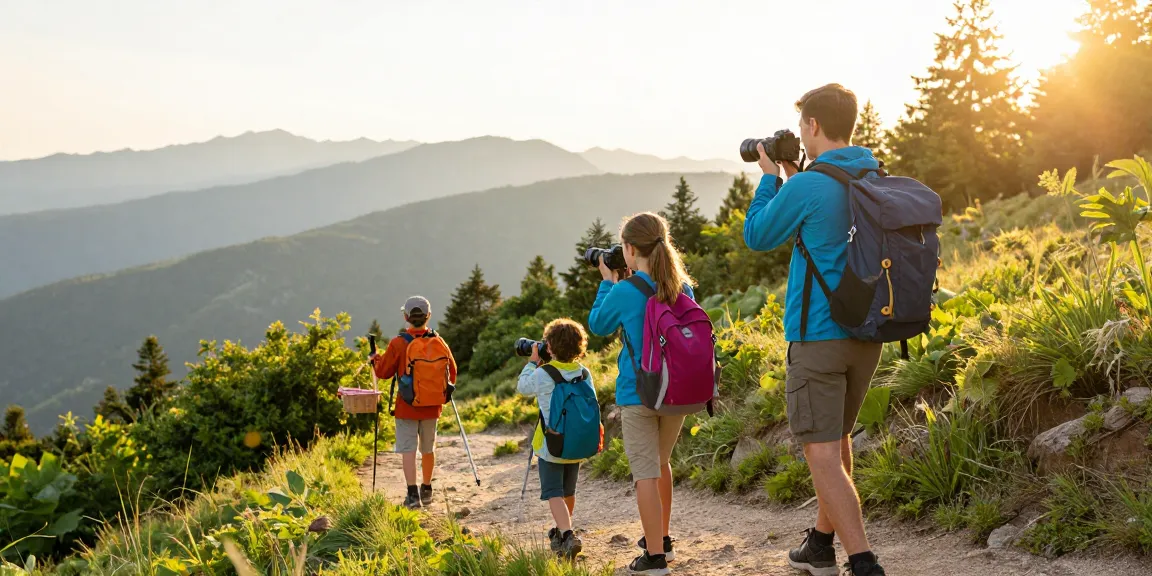
Understanding the Family Adventure Market in 2026
The family adventure market is evolving rapidly, with more families seeking enriching experiences that foster togetherness and exploration. As we step into 2026, the focus has shifted towards sustainable travel, cultural immersion, and unique activities tailored for families. This market offers immense potential as it caters to the growing demand for educational yet fun travel experiences. For families yearning for inspiration, thatmountainlife.com serves as a valuable resource for discovering adventure opportunities that align with their interests and values.
Current Trends in Family Adventure Tourism
In 2026, the trends shaping family adventure tourism include a strong emphasis on eco-friendly travel and technology integration. Families are increasingly looking for destinations with sustainable practices, such as eco-lodges and conservation activities. Moreover, technology plays a crucial role in enhancing travel experiences through educational apps and interactive guides, making adventures both enjoyable and informative.
- Eco-Friendly Practices: Families prefer destinations that prioritize sustainability.
- Technology Integration: Use of apps for navigation and education during travels.
- Tailored Experiences: Unique itineraries that cater to various age groups within families.
Key Demographics and Target Audiences
The primary demographics for adventure tourism encompass families with children of varied ages. Parents are looking for experiences that are safe yet thrilling for their kids, while engaging for themselves. Additionally, multi-generational travel is on the rise, with grandparents joining trips to create lasting memories with grandchildren. Understanding these segments is key for businesses aiming to tailor their offerings effectively.
Top Destinations for Family Adventures
Popular family adventure destinations in 2026 include locations such as national parks, cultural heritage sites, and vibrant cities offering kid-friendly attractions. For instance, destinations like Costa Rica are recognized for their rich biodiversity and adventure sports, while cities like Amsterdam provide a blend of culture and family-oriented activities, including museums with interactive exhibits.
- Costa Rica: Known for its eco-tourism and adventure sports.
- Amsterdam: Rich in culture with various family-friendly attractions.
- National Parks: Excellent for exploring nature and family bonding activities.
Effective Marketing Strategies for Engaging Families
To effectively reach and engage families, businesses in the adventure travel market must employ innovative marketing strategies that resonate with this audience's values and preferences. By leveraging various channels, brands can cultivate a community that thrives on shared experiences.
Content Marketing: Building a Community Around Adventures
Content marketing plays a pivotal role in connecting with families. Brands can create useful resources, such as travel guides and blogs highlighting family adventures, to engage parents looking for inspiration. By sharing authentic stories and testimonials, businesses can foster trust and encourage community interaction.
Utilizing Social Media to Showcase Family Experiences
Social media platforms are powerful tools for showcasing real-time family experiences. Brands can utilize Instagram and Facebook to share stunning visuals and narratives that resonate with families. User-generated content can create an authentic portrayal of adventures, encouraging others to share their stories and engage.
Email Marketing: Nurturing Customer Relationships
Email marketing remains a crucial strategy for retaining customer interest and loyalty. By sending personalized offers, travel tips, and stories directly to families, brands can keep their audience engaged. Effective segmentation of email lists based on family interests can result in higher open and click-through rates.
Best Practices for Website Optimization
A well-optimized website is essential for attracting and retaining family adventurers online. From ensuring that content is relevant and engaging to providing seamless navigation, several key practices can enhance user experience.
SEO Techniques for Family-Oriented Content
Incorporating SEO techniques is vital for increasing visibility in search engines. Utilizing keyword research to understand what families are searching for, and optimally placing these keywords throughout the website can drive organic traffic. Focusing on long-tail keywords related to family adventures can help capture specific search intents.
User Experience: Designing for Easy Navigation
Families often visit websites for quick information. Streamlined design with clear navigation, category filters for age-appropriate activities, and intuitive layouts can minimize frustration. Including essential details like travel itineraries, costs, and age recommendations can assist in the decision-making process.
Mobile Responsiveness for On-The-Go Families
With increasing reliance on mobile devices for travel planning, ensuring that websites are mobile-friendly is non-negotiable. A mobile-optimized site provides families with the flexibility to plan their trips from anywhere, making it easier to browse and book adventures on-the-go.
Creating Engaging and Educational Content
Content that educates while entertaining can capture the interest of families seeking meaningful travel experiences. Businesses should focus on storytelling and multimedia formats to enrich their offerings.
Storytelling: Connecting Families with Adventure Narratives
Storytelling can evoke emotions, making it a powerful marketing technique. By sharing unique family adventure stories, businesses can connect with prospective customers on a deeper level. When families feel a personal connection to the narratives shared, they are more likely to engage with the brand.
Video Content: Capturing Real-Life Family Adventures
Video content is highly effective for showcasing family adventures as it provides a visual and auditory experience. By creating videos of families enjoying activities, brands can demonstrate the fun and excitement of their offerings. Live streams or behind-the-scenes content can further enhance engagement.
Blogging About Family Travel Experiences
Blogging allows brands to share detailed insights and travel tips that cater specifically to families. By covering a range of topics, from packing tips for family trips to highlighting destinations that offer educational experiences, blogs can position a brand as a go-to resource for family travelers.
Measuring Success and Future Trends
As the family adventure market evolves, businesses must implement metrics to evaluate the effectiveness of their marketing strategies. Understanding what resonates with families will be crucial for continued growth and adaptation in this competitive landscape.
Key Performance Indicators for Adventure Marketing
To measure success, businesses should focus on various key performance indicators (KPIs) such as website traffic, social media engagement rates, and conversion rates. Gathering feedback from families can also provide insights into their experiences and preferences, allowing brands to refine their offerings accordingly.
Emerging Trends in Family Adventure Tourism
The future of family adventure tourism will likely see an increase in technology-driven experiences, personalized travel recommendations, and a stronger commitment to sustainability. As families continue to seek enriching experiences, the industry must adapt by offering innovative solutions that meet their evolving needs.
Preparing for the Next Generation of Adventure Seekers
The next generation of adventure seekers will prioritize sustainability, inclusivity, and educational experiences in their travel choices. Brands must stay ahead of these trends by creating tailored experiences that resonate with both children and parents. Embracing diversity in adventure offerings will also enhance appeal to a broader audience.