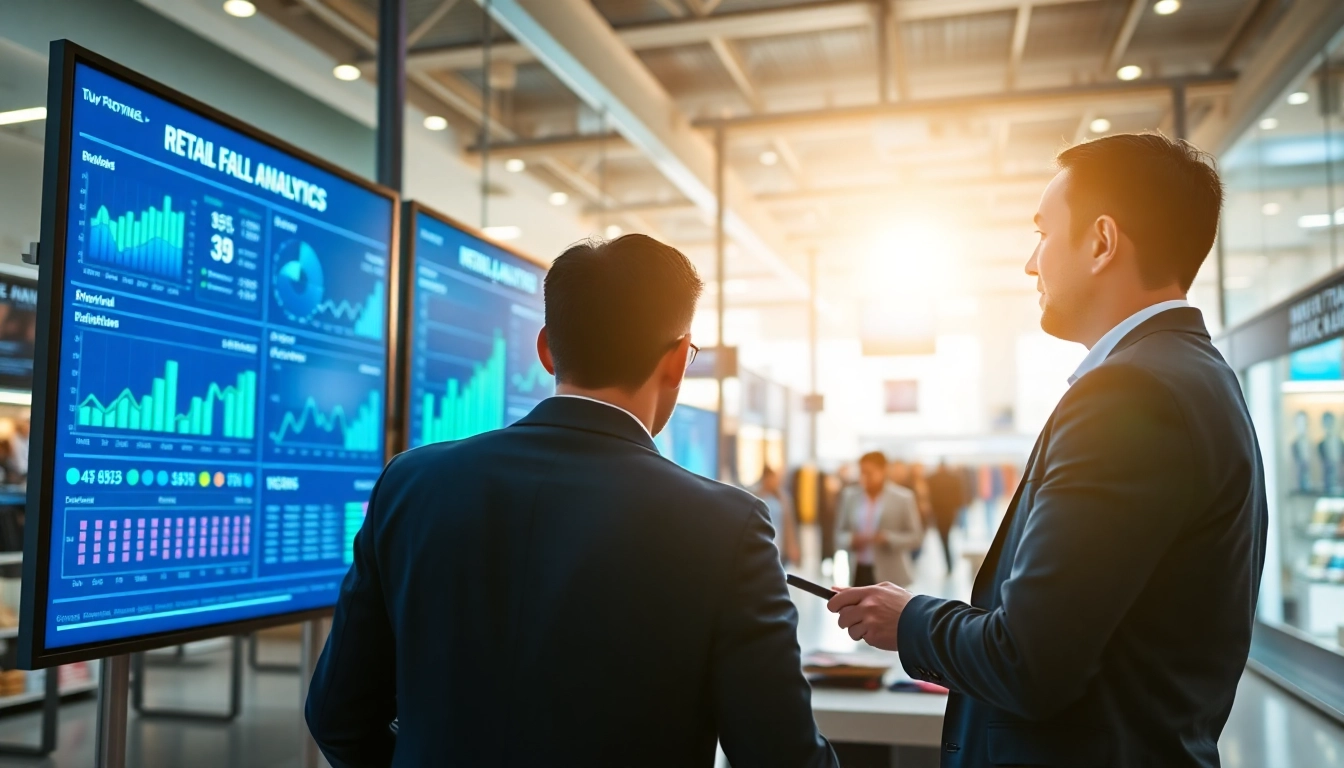
Understanding Retail Footfall Analytics
In today's dynamic retail environment, understanding customer behavior is crucial for success. retail footfall analytics encompasses the measurement and analysis of customer traffic within a retail space, providing insights into how individuals interact with products and store layouts. By leveraging advanced technologies and analytical methods, retailers can improve operational efficiency, enhance customer engagement, and ultimately increase sales.
What Is Retail Footfall Analytics?
Retail footfall analytics refers to the collection and analysis of data regarding the number of customers entering, traversing, and interacting within a retail store. This analysis transcends basic traffic counting; it involves understanding customer flow, dwell time, and engagement levels at a granular scale, enabling retailers to make informed decisions based on real-time data.
Footfall analytics often integrates various technologies, such as infrared sensors, video analytics, and mobile tracking, to provide a comprehensive view of customer behavior. The ultimate goal is to use this data to enhance the shopping experience and optimize store performance.
The Importance of Measuring Footfall
Measuring footfall is essential for several reasons:
- Customer Insights: Understanding customer behavior allows retailers to tailor marketing strategies, improve store layouts, and enhance customer experience.
- Operational Efficiency: Footfall data helps retailers evaluate staffing needs and optimize in-store operations based on peak traffic times.
- Sales Conversion Rates: By analyzing foot traffic and sales data, retailers can identify trends leading to improved conversion rates and, subsequently, higher revenue.
- Strategic Planning: Retailers can use footfall analytics to benchmark against competitors and make data-driven decisions regarding expansion or structural changes.
Common Methods for Footfall Analysis
Several methodologies are commonly employed to derive footfall analytics:
- Infrared Sensors: These devices count how many people enter or exit premises and can gauge movement patterns inside the store.
- Video Analytics: By analyzing video feeds, retailers can gather sophisticated data about customer movement and behavior without compromising privacy.
- Mobile Tracking: This method involves tracking customer mobile devices as they move through and interact with retail spaces, providing insights into dwell times and traffic patterns.
- Wi-Fi Analytics: Utilizing secured Wi-Fi networks, retailers can observe customer behavior based on their smart devices' connectivity, helping to map out traffic flows.
Implementing Footfall Analytics in Retail
Tools and Technologies for Data Collection
Retailers interested in implementing footfall analytics need the right tools and technologies. Choosing an effective solution depends on the specific needs of the retail environment:
- People Counters: Devices that provide basic entry/exit counts.
- Advanced Analytics Platforms: Comprehensive software that aggregates data from various sources for deeper analysis.
- Heatmap Technology: This visual representation shows the most frequented areas within the store, offering insights into customer preferences.
- Data Management Systems: Systems that collect, store, and analyze footfall data to support decision-making processes.
Establishing Footfall Tracking Systems
Setting up an effective footfall tracking system involves careful planning and investment in technology. Here's a step-by-step guide:
- Define Objectives: Clearly outline goals, whether it’s improving sales, enhancing customer experience, or optimizing store layout.
- Select Appropriate Technology: Choose suitable technology based on your analysis method, store size, and budget.
- Set Up Tracking Points: Identify entry/exit points and high-traffic areas within the store for monitoring.
- Integrate with Existing Systems: Ensure that footfall analytic tools work seamlessly with other data systems, such as POS systems.
- Train Employees: Provide necessary training for staff to understand and utilize analytics in their daily operations.
Integrating Footfall Data with Business Strategies
To truly benefit from footfall analytics, data must be integrated into broader business strategies:
- Marketing Strategies: Use insights from footfall data to inform targeted marketing campaigns, optimizing timing and placements of promotions.
- Inventory Management: Align stock levels with peak foot traffic times and popular products, reducing excess inventory and increasing sales opportunities.
- Store Layout Optimization: Utilize heatmaps and traffic patterns to enhance product placements, directing customers towards high-margin items.
- Customer Experience Enhancements: Address any identified pain points through staff training or operational adjustments to improve the overall experience.
Analyzing Footfall Data Effectively
Key Metrics to Monitor in Footfall Analytics
Monitoring specific metrics can significantly improve how data is utilized:
- Total Footfall: The total number of customers entering the store over a specific period is a fundamental indicator of traffic patterns.
- Dwell Time: Understanding how long customers spend in different areas can inform layout decisions and promotional placements.
- Conversion Rates: The ratio of sales to visitors is critical for assessing the effectiveness of sales strategies and in-store promotions.
- Peak Traffic Times: Identifying when foot traffic peaks allows for optimized staffing and promotional activities.
Identifying Patterns in Customer Movement
Analyzing footfall data can reveal trends and patterns in customer movement that are actionable:
- Traffic Flow Patterns: Recognizing how customers move through the store can help in designing better layouts for increased engagement.
- Popular Areas vs. Dead Zones: By identifying high and low-traffic areas, stores can reposition products or adjust displays.
- Customer Segmentation: Analyzing traffic can help in identifying behavioral segments, allowing for tailored experiences.
- Event Impact Analysis: Monitoring how events or promotions affect footfall data helps in evaluating the ROI of marketing campaigns.
Using Footfall Data for Competitive Analysis
Understanding your position against competitors is crucial in the retail landscape:
- Benchmarking Foot Traffic: By evaluating your foot traffic against competitor data (when available), you can gauge overall market performance.
- Market Share Assessment: Monitoring relative changes in footfall over time can indicate shifts in market share.
- Promotion Effectiveness Comparison: Analyzing how your promotions affect traffic compared to competitors can inform future strategies.
Challenges and Solutions in Footfall Analytics
Common Challenges Retailers Face
While the advantages of footfall analytics are clear, retailers may encounter several challenges:
- Data Accuracy: Inaccurate data collection can result in misleading insights.
- Technology Integration: Existing systems may not readily integrate with new analytics platforms.
- Staff Training: Teams may lack the expertise needed to interpret and act on the data collected.
- Cost of Implementation: The initial investment in technology can be significant, particularly for smaller retailers.
Practical Solutions to Overcome Barriers
Overcoming these challenges requires strategic planning and investment:
- Invest in Quality Technology: Opt for reliable data collection methods to ensure accuracy in findings.
- Gradual Integration: Implement new systems step-by-step to ensure smooth transitions.
- Ongoing Training: Offer regular training sessions to enhance staff understanding and use of footfall analytics.
- Budgeting Wisely: Consider the long-term benefits of investing in analytics technology to justify upfront costs.
Case Studies of Successful Implementations
Examples of successful implementations of footfall analytics can provide learning opportunities:
- Store Layout Success: A leading retailer used footfall data to analyze customer paths, resulting in a restructured layout that increased sales per square foot.
- Marketing Boost: Another brand leveraged traffic analysis to time promotional campaigns more effectively, leading to a 20% increase in sales during peak hours.
- Staffing Optimization: A supermarket chain analyzed foot traffic patterns and adjusted staffing schedules accordingly, reducing labor costs by 15% while maintaining service levels.
Future Trends in Retail Footfall Analytics
Emerging Technologies Shaping Footfall Analytics
As retail technology advances, footfall analytics will also evolve. Some trends to watch include:
- Artificial Intelligence: AI will enhance data analysis, providing predicative insights based on historical footfall patterns.
- IoT Integration: Internet of Things devices will improve real-time data collection, enabling more nuanced analysis of customer behaviors.
- Augmented Reality: Combining AR with footfall analytics can create dynamic shopping experiences tailored to customer preferences.
- Big Data Utilization: Interlinking footfall data with other business metrics will provide a holistic view of store performance.
Predictions for the Next Decade
Looking ahead, it’s expected that retail footfall analytics will become increasingly agile, predictive, and personalized. Retailers will rely more on real-time analytics to make swift operational decisions, fostering enhanced customer experiences and satisfaction.
Preparing Your Retail Business for Future Changes
To prepare for changes in footfall analytics:
- Stay Informed: Regularly update your knowledge about technological advancements in the retail analytics space.
- Develop a Flexible Strategy: Be ready to adapt to new technologies and methods as they emerge.
- Encourage Innovation: Foster a culture where employees can propose and experiment with new ideas around footfall analytics.
Frequently Asked Questions
What is footfall analytics?
Footfall analytics refers to the systematic measurement and analysis of customer traffic in retail spaces, helping businesses understand patterns in customer behaviors.
Why is footfall important in retail?
Measuring footfall is crucial as it provides key insights into customer behavior, optimizes store operations, and enhances overall profitability.
How can I measure footfall in my store?
Footfall can be measured using tools like infrared sensors, video cameras, and Wi-Fi analytics that track customer entry and movement throughout the store.
What metrics should I monitor in footfall analytics?
Key metrics include total footfall, dwell time, conversion rates, and peak traffic times, which provide valuable insights for decision-making.
What are the challenges in implementing footfall analytics?
Challenges include data accuracy, technology integration, staff training, and high initial costs. Solutions involve careful planning, investment in quality tools, and ongoing training.