The Fascinating World of Celebrity Lookalikes
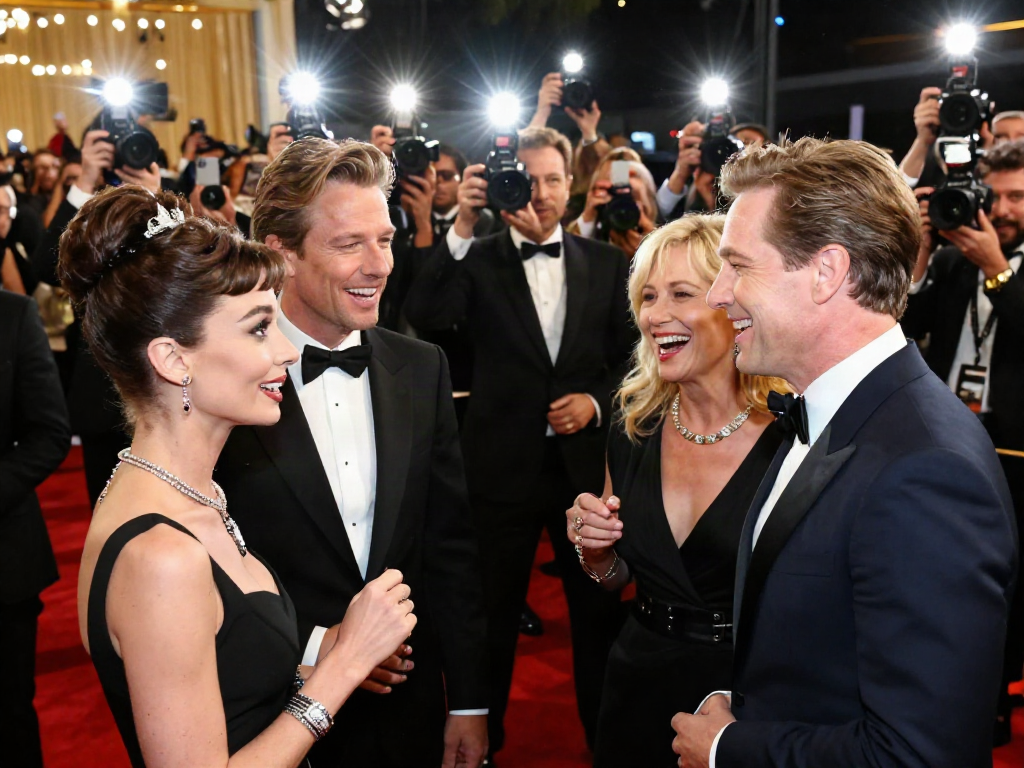
In the realm of entertainment, few phenomena have captured the public's imagination like celebrity lookalikes. These uncanny doppelgängers often leave fans questioning whether they are seeing double, igniting a sense of wonder and amusement. The fascination with celebrities that look alike transcends mere curiosity; it reflects deeper psychological and cultural dynamics that play a significant role in how we perceive fame and identity. From the red carpet to social media, these lookalikes can stir conversations, boost brand visibility, and even generate viral trends.
What Are Celebrity Doppelgängers?
Celebrity doppelgängers are individuals who bear a striking resemblance to one or more famous personalities. This phenomenon can occur between two celebrities, or a celebrity and an ordinary person. The uncanny similarities can be both amusing and perplexing, often leading to a playful exploration of their shared features, fashion choices, or even mannerisms. The allure of lookalikes challenges our perceptions of beauty and identity, showcasing how similar facial structures can evoke strong associations with particular public figures.
The Science Behind Similar Faces
The human face is a complex structure formed by numerous genetic factors, which can lead to similar facial features among different individuals. Scientists have studied these patterns, discovering that certain facial traits are common in families and across ethnic backgrounds. Research indicates that we are inherently wired to notice similarities in appearance, a phenomenon that can be traced back to evolutionary advantages, such as recognizing kin and forming social bonds. This inclination to spot lookalikes can manifest in various ways, from casual observations to dedicated online communities celebrating these striking similarities.
Why We Love Celebrity Lookalikes
The fascination with celebrity lookalikes stems from several psychological factors. First, they tap into our sense of belonging—a shared experience of recognizing familiar traits in famous personalities. Additionally, the whimsical nature of lookalikes can provide comic relief, often resulting in memes and social media content that delight audiences. Furthermore, this phenomenon allows us to explore our perceptions of celebrity culture; it raises questions about identity, authenticity, and the impact of fame in our lives.
Famous Celebrities That Look Alike
Iconic Pairings: Hollywood’s Best Lookalikes
Throughout Hollywood's history, certain pairs of celebrities have become iconic for their similarities. For instance, the resemblance between actors like Katy Perry and Zooey Deschanel has been widely discussed, leading fans to conflate their identities. Other notable pairs include Will Ferrell and musician Chad Smith, whose likenesses are so striking that they've even participated in playful challenges to see who can mimic the other better. As we continue to explore these famous duos, it becomes clear that they not only entertain but also inspire a deeper appreciation for the uniqueness of each individual.
Cultural Representations: Lookalikes Across Different Genres
Celebrity lookalikes often appear across various genres of entertainment. Whether in films, television, or even stage performances, these pairs can serve as symbols of cultural archetypes. For example, when casting directors choose actors who closely resemble iconic figures, it can evoke a nostalgia that resonates with audiences. This practice is particularly prevalent in biopics, where achieving a realistic representation is crucial for storytelling. Moreover, lookalikes sometimes become fodder for parody or satire, allowing creators to comment on fame's absurdities.
The Evolution of Celebrity Resemblance
As society evolves, so does the perception of celebrity lookalikes. In the past, the focus was predominantly on a handful of iconic figures, but with the rise of social media, ordinary individuals who resemble celebrities have entered the conversation. Platforms like Instagram and TikTok now serve as powerful tools for sharing these resemblances, with users posting transformation videos or side-by-side comparisons. This democratization of celebrity culture has led to new forms of engagement, where everyday people can gain recognition for their appearances, often leading to viral fame.
Exploring the Impact of Lookalikes on Pop Culture
Brand Collaborations with Celebrity Twins
Celebrity lookalikes are not just a source of entertainment; they can significantly impact brand marketing strategies. Many brands are beginning to leverage this phenomenon by collaborating with lookalikes for promotional campaigns. For example, a fashion brand might hire a lookalike of a popular celebrity to attract attention and create buzz. These collaborations often appeal to fans who admire the original celebrity, further amplifying brand visibility and engagement. The playful nature of these associations encourages audiences to share the content, resulting in heightened social media interactions.
Lookalikes in Film and Television
Hollywood has long embraced the concept of doppelgängers, employing lookalikes to enhance storytelling. Whether it's a comedic encounter between two characters who resemble each other or a dramatic plot twist involving mistaken identity, these elements serve to entertain and engage viewers. Additionally, lookalikes can help iconic characters gain a fresh perspective, allowing filmmakers to explore different narratives and dimensions of those personas. This practice enriches the cinematic experience, providing audiences with memorable moments that resonate long after the credits roll.
Social Media Trends Surrounding Lookalikes
As social media continues to shape pop culture, trends surrounding celebrity lookalikes have also gained traction. Hashtags like #DoppelgangerChallenge encourage users to share their own lookalike photos, fostering a sense of community and connection among participants. These trends showcase the talent of individual creators who mimic the styles and features of celebrities while also generating conversations about beauty and identity. The interplay between social media and celebrity culture ensures that lookalikes will remain a relevant topic in the coming years.
How to Identify and Celebrate Lookalikes
Utilizing AI Tools to Find Lookalikes
Advancements in technology have facilitated the identification of celebrity lookalikes through various AI-driven tools and applications. By analyzing facial features, these tools can provide users with information about potential doppelgängers. This not only offers a fun way to explore resemblances but also introduces a new level of interaction with celebrity culture. As these tools evolve, they may become integral in shaping how we perceive similarities in appearance, encouraging even more discussions about identity and fame.
Community Engagement: Sharing Your Lookalike Discoveries
Online communities dedicated to celebrating celebrity lookalikes have flourished, allowing fans to share their discoveries and engage with others who share their enthusiasm. Platforms like Reddit and Instagram feature groups where users can post side-by-side photos of lookalikes, leading to lively discussions and debates about the most striking resemblances. This collective engagement fosters a sense of belonging, as individuals connect through their shared interests while appreciating the diversity in similarities.
Photography Tips for Capturing Celebrity Resemblances
For those looking to document celebrity lookalikes, photography plays a crucial role in capturing these similarities effectively. Here are a few tips to keep in mind:
- Lighting: Use natural light whenever possible to highlight facial features.
- Angles: Experiment with different angles to find the most flattering perspectives that emphasize similarities.
- Expressions: Mimic the facial expressions of the celebrity to create a more striking comparison.
By honing these skills, anyone can enhance their photography while celebrating the fascinating world of celebrity lookalikes.
The Future of Celebrity Lookalikes in 2026 and Beyond
Emerging Trends in Celebrity Lookalikes
As we look forward to 2026, the landscape of celebrity lookalikes is likely to evolve further. With the integration of new technologies, such as augmented reality, fans could soon engage with celebrities and their lookalikes in immersive environments. Moreover, the rise of Gen Z and their unique perspectives on identity may influence how we perceive and celebrate these similarities. The potential for virtual events and interactive experiences will continue to blur the lines between fans and their favorite celebrities.
Potential Challenges and Misconceptions
However, this evolving landscape also brings about challenges, particularly regarding identity and representation. As the dialogue around diversity grows, it is crucial to acknowledge differences in heritage and cultural backgrounds. Misunderstandings surrounding lookalikes can lead to oversimplification of identities, and it’s essential for discussions about celebrity resemblance to consider these nuances. Moving forward, it will be vital to approach conversations around lookalikes with sensitivity and awareness.
Final Thoughts: Celebrating Diversity in Similarity
In conclusion, the world of celebrity lookalikes presents a rich tapestry of psychological, cultural, and social dynamics. As we celebrate these striking resemblances, we must do so with a keen awareness of the diversity within similarities. The future of celebrity lookalikes holds exciting possibilities, but it also calls for thoughtful discourse that embraces individuality while recognizing collective identity. By fostering this balance, we can continue to appreciate the fascinating interplay between celebrities that look alike and the culture that surrounds them.
Who is the most famous doppelganger?
When considering the most famous celebrity doppelgangers, several names frequently arise in discussions, such as Matt Bomer and Henry Cavill, both of whom have captivated audiences with their striking resemblance.
Which celebrities look alike but are not related?
Some celebrity pairs that look alike but are not related include Victoria Justice and Nina Dobrev, showcasing how genetics can produce similar features in unrelated individuals.
How do celebrities that look alike affect brand image?
The presence of celebrity lookalikes can significantly impact brand image by creating associations with popular figures, enhancing relatability, and fostering connections with target audiences.
What are the best examples of celebrity lookalikes in recent years?
In recent years, famous celebrity lookalikes such as John Legend and Jesse Williams have become notable for their striking similarities, leading to widespread discussions among fans.
How can social media amplify the fascination with lookalikes?
Social media serves as a powerful platform to amplify fascination with lookalikes, allowing users to share images, engage in challenges, and create content that celebrates these intriguing similarities.