Understanding the Concept of Perceived Age
The question "how old do I look?" extends beyond mere curiosity; it reflects deeper psychological and social dimensions related to aging and self-image. Age perception involves how individuals judge the age of others based on various visual cues. This article delves into the scientific understanding of perceived age, examining its underlying principles and implications for those seeking insights into their own age appearance.
What Does "How Old Do I Look" Mean?
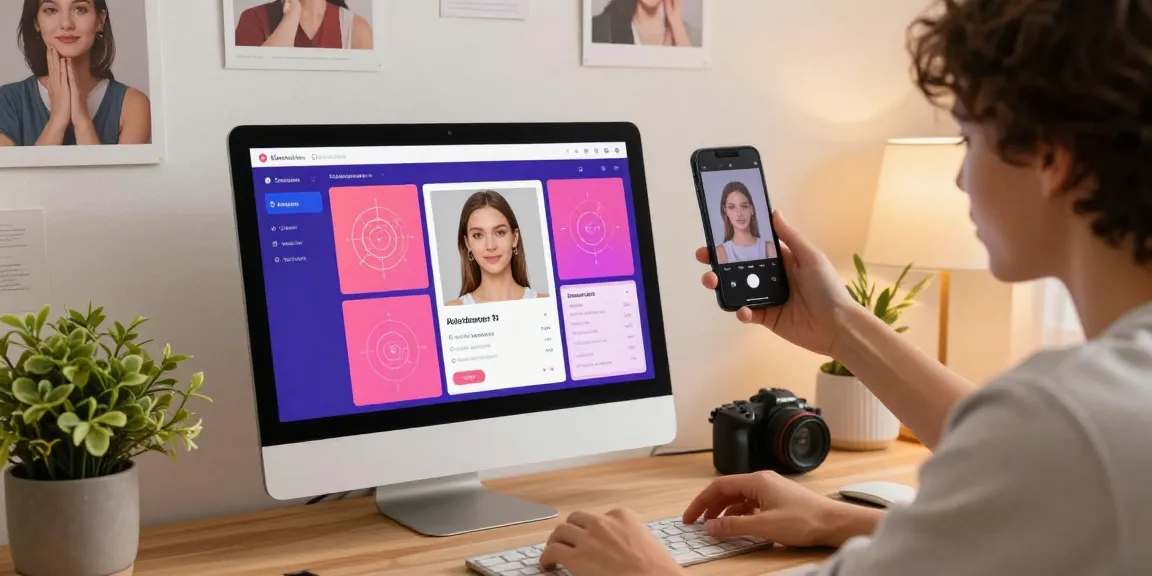
When individuals inquire about how old they appear, they are often exploring societal standards of beauty and aging. This question is generally rooted in the desire for validation and self-assurance. Many people seek to understand how their facial features, skin condition, and overall demeanor align with age expectations in their culture. Online tools that allow users to upload photos for age estimation provide a modern means for this exploration, helping to bridge the gap between perception and reality.
The Science Behind Age Perception
Perceived age is influenced largely by biological and environmental factors. Studies indicate that features such as wrinkles, pigmentation changes, and skin texture greatly affect age assessments. Cognitive psychology also plays a role; our brains process visual age cues and apply biases based on societal norms and personal experiences. Research has shown that people often overestimate the ages of those with prominent wrinkles or uneven skin texture, demonstrating the subjective nature of age perception.
Factors Affecting Our Age Appearance
- Genetics: Hereditary traits can significantly influence one’s appearance as they age. Some individuals may inherit smoother skin or delayed signs of aging.
- Lifestyle Choices: Factors such as diet, exercise, smoking, and alcohol consumption can greatly impact how old a person looks.
- Sun Exposure: UV radiation leads to skin damage and accelerates aging, making sun protection essential in maintaining youthful skin.
- Hydration and Skincare: Proper hydration and skincare routines can enhance skin elasticity and reduce the appearance of age.
Evaluating AI Age Estimation Tools
As technology advances, many are turning to AI-driven tools to answer the question of how old do I look. These tools analyze facial features based on extensive data sets and complex algorithms. Understanding how these tools operate can provide valuable insights into their reliability and practical use.
How Do AI Tools Determine Age?
AI age estimation tools employ complex neural networks trained on vast arrays of images representing various ages and demographic factors. They analyze key facial landmarks, including wrinkles, skin tone, and the overall symmetry of features. By comparing these attributes against a database, these tools can offer a statistical estimate of a person's biological age. The accuracy of these predictions largely depends on the quality of the algorithms and the data used to train them.
Comparing Popular Tools: Accuracy and Usability
Several popular AI tools are available for estimating how old a person looks, each with unique features and varying levels of accuracy. For instance:
- FaceAge.ai: Utilizing advanced deep learning algorithms, this tool offers quick and secure age assessments based on uploaded images.
- Fotor: Known for its user-friendly interface, Fotor allows users to analyze their facial features without requiring any downloads.
- NOVOS FaceAge: This tool integrates AI with extensive aging research to provide visual representations of aging patterns alongside numeric estimates.
Future Trends in AI Age Estimation for 2026
Looking ahead to 2026, the field of AI-driven age estimation is poised for significant advancements. Innovations in machine learning and computer vision will enhance the accuracy of these tools. Furthermore, we may see a growing trend towards personalized age analysis, where tools not only predict age but also offer tailored skincare or lifestyle recommendations based on the results.
Enhancing Your Photo Input for Best Results
Optimizing how you upload your photo can significantly affect the accuracy of age estimation results. There are specific strategies that can help users get the most out of these AI tools.
Tips for Taking the Perfect Photo
- Use High-Quality Images: Ensure the photo is clear and taken in good lighting conditions.
- Avoid Filters: Natural photos without filters yield the best results as they show true skin texture and features.
- Face Forward: A straightforward shot where the face is fully visible helps the AI evaluate features accurately.
Lighting and Angle: Key Elements for Success
Lighting can dramatically alter the perception of age. Natural light is preferable, as it minimizes shadows and highlights. Additionally, the angle of the shot should be straight on or slightly above, as this can help maintain the natural appearance of facial features.
Common Mistakes to Avoid When Uploading Photos
- Not Following Guidelines: Always check specific requirements laid out by the tool, such as background and facial visibility.
- Including Other Objects: Ensure the focus remains solely on the face, as distractions can lead to inaccurate assessments.
- Using Outdated Photos: Upload a recent photo that accurately reflects your current appearance for the best results.
Understanding the Implications of Age Estimation
While these AI tools can provide fascinating insights into how old you may look, it’s essential to understand their implications and limitations.
How Accurate Are These Estimates?
The accuracy of AI age estimation tools can vary notably based on the underlying technology and the context in which they are used. While many tools strive for precision, factors such as lighting, photo quality, and even individual differences in aging can lead to discrepancies. It is commonly accepted that these tools serve as entertainment or a conversation starter rather than definitive age assessments.
Addressing Common Concerns and Misconceptions
One prevalent misconception is that these tools can lead to negative self-perception. It’s crucial to approach age estimations with a balanced mindset, recognizing that they are imperfect and influenced by external factors. Furthermore, discussions around such tools can undermine the value of self-acceptance and body positivity.
Using Age Feedback for Personal Growth
Receiving feedback from these tools can be an opportunity for self-improvement. If the age estimate aligns with perceived aging, individuals may be encouraged to undertake healthier lifestyle choices. Conversely, if a tool suggests you look significantly younger, it can boost confidence and affirm good health and skincare practices.
Frequently Asked Questions
How do I interpret the results from age estimation tools?
Interpreting results requires a subjective lens. While a tool may suggest a certain age, it is only one perspective on your appearance. Comparing multiple results can offer a more holistic view.
Can these tools help with skincare or beauty routines?
Yes, through understanding how your perceived age may change based on skin conditions and features, you can tailor your skincare regimen accordingly. Tools might suggest areas for improvement that align with personal goals.
What should I do if I feel my age estimate is inaccurate?
Results from these tools should be taken lightly. If you believe the estimate is inaccurate, using additional tools or consulting a skincare professional may provide more value in understanding your skin's health.
Are there any privacy concerns with these applications?
Privacy is a legitimate concern when uploading personal images. It is essential to choose reputable tools that ensure your data is secure and not stored without consent.
How can I use age estimation insights for self-improvement?
Insights from age estimation tools can inform decisions about skincare, lifestyle changes, and self-care practices. By understanding how certain features contribute to perceived age, individuals can make informed choices that enhance their overall well-being.