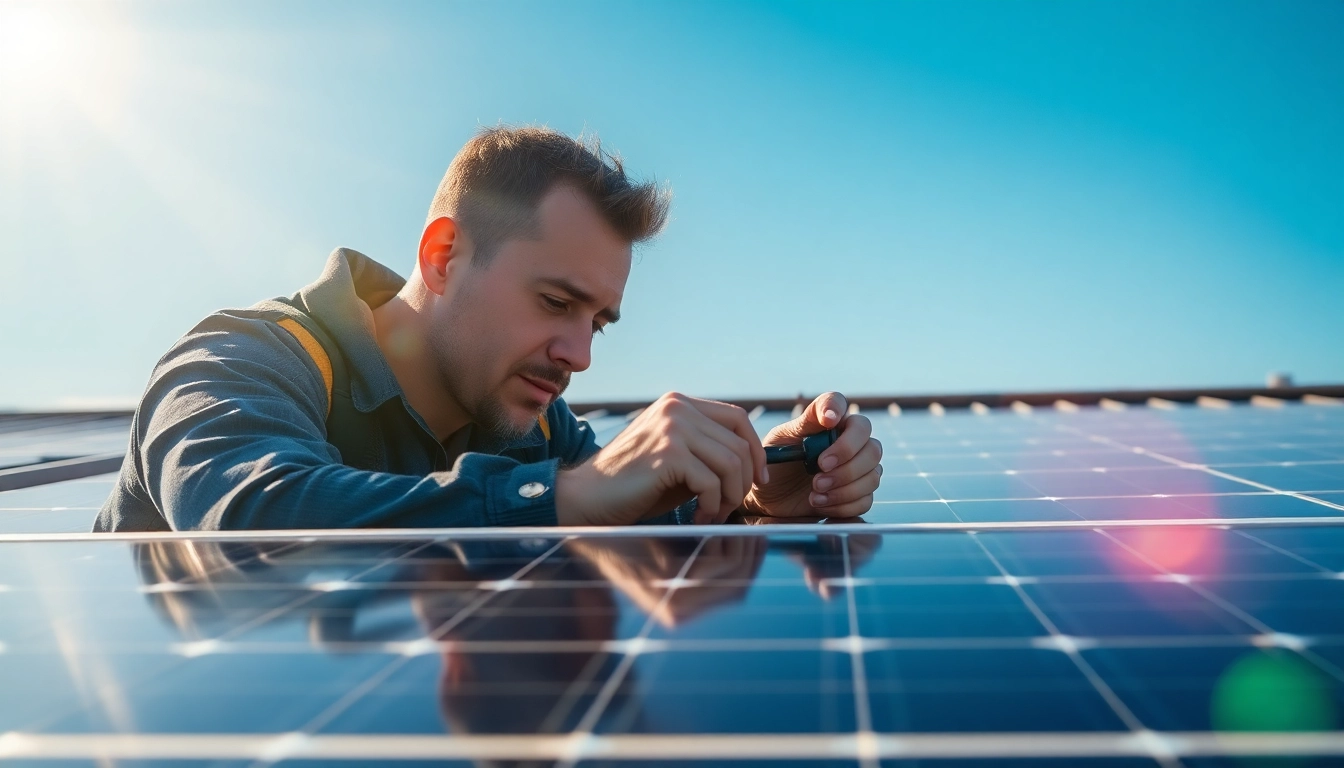
Understanding Solar Panel Repair
As renewable energy sources gain popularity, solar panels have become a common feature in residential and commercial buildings. However, like any technology, solar panels can experience issues over time, necessitating repair and maintenance. It's crucial to understand these aspects thoroughly to ensure the longevity and efficiency of solar energy systems. In this context, solar panel repair emerges as a vital service for maintaining optimal functionality.
What are Solar Panels and How Do They Work?
Solar panels convert sunlight into electricity through a process known as the photovoltaic effect. Each panel is composed of many solar cells made of silicon, which generate direct current (DC) electricity when exposed to sunlight. An inverter then converts this DC electricity into alternating current (AC), which can be used in homes and businesses. Understanding this basic functionality is crucial for diagnosing issues that may arise within solar panels.
Common Issues Affecting Solar Panels
Solar panels can be affected by various issues that might hinder their performance. The most common problems include:
- Physical Damage: Cracks or breaks due to hail, falling debris, or accidents can affect the solar cells.
- Electrical Failures: Issues with wiring or connections that can lead to inefficiencies or total system failure.
- Environmental Factors: Dirt, leaves, or snow accumulation can block sunlight, significantly reducing energy output.
- Wiring Problems: Faulty wiring or corroded connections can cause short circuits or fires.
The Importance of Regular Maintenance
Regular maintenance of solar panels is essential for maximizing their lifespan and efficiency. Scheduled inspections can help identify issues early before they escalate into costly repairs. Furthermore, maintaining clean panels enhances their solar energy absorption capacity, leading to better performance.
Diagnosing Solar Panel Problems
Signs Your Solar Panel Needs Repair
Identifying problems promptly can prevent further damage. Here are some signs that indicate your solar panels may require repairs:
- Decreased Energy Output: If you notice a significant drop in energy production, it may be due to damaged panels.
- Visible Damage: Check for cracks, discoloration, or hot spots on the panels, which signal possible damage.
- Error Codes: Many inverter systems display error codes that can indicate wiring issues or equipment failure.
- Flickering Lights: If lights flicker or dim when your solar system is supposed to be generating power, it may indicate an issue.
Understanding Voltage and Amperage Measurements
To diagnose problems effectively, understanding voltage and amperage is crucial. Voltage measures the potential difference in electric circuits, while amperage indicates the current flow. Regular monitoring of these measurements can help identify faults like loose connections or faulty components.
Common Diagnostic Techniques for Solar Panels
Homeowners or technicians can use various diagnostic techniques to assess solar panel performance. Some effective methods include:
- Visual Inspection: Inspecting the panels and connections for visible signs of damage.
- Using a Multimeter: Measuring voltage and current to check for discrepancies in performance.
- Thermal Imaging: Using infrared cameras to detect hot spots on panels that indicate electrical issues.
DIY Solar Panel Repair Techniques
Safety First: Essential Precautions to Consider
When performing DIY repairs, safety must be the top priority. Always make sure to:
- Turn off the solar panel system and disconnect it from the grid.
- Wear protective gear, including gloves and safety glasses.
- Use insulated tools to prevent electrical shocks.
- Consult manuals and guides to ensure understanding of specific components.
Basic Tools for Effective Solar Panel Repair
Having the right tools can make the repair process significantly more efficient. Some essential tools include:
- Multimeter: For measuring voltage and current.
- Wrenches and Sockets: For tightening or loosening electrical connections.
- Safety Equipment: Such as gloves, goggles, and insulated tools for electrical work.
- Cleaning Supplies: Soft brushes or cloths for cleaning the panels without scratching them.
Step-by-Step Guide for Minor Repairs
For minor repairs or maintenance, you can follow these general steps:
- Inspect the panels: Look for cracks, dirt, or any visible damage.
- Clean the panels: Use a mixture of water and soap to clean off dirt and debris.
- Check electrical connections: Tighten any loose connections and check for corrosion.
- Test performance: After repairs, use a multimeter to ensure the system is functioning correctly.
Hiring Professionals for Solar Panel Repair
When to Call for Professional Help
Certain issues are too complex or dangerous to tackle without professional help. Consider hiring a professional when:
- The system hasn’t produced power for a prolonged period.
- You notice severe physical damage to the panels or wiring.
- You receive error codes that you cannot troubleshoot.
- You lack the experience or tools to perform safe repairs.
Choosing the Right Service Provider
Selecting a reliable service provider is crucial. Look for companies that offer:
- Experience: Seek out technicians who specialize in solar panel repair.
- Positive Reviews: Evaluate customer feedback and testimonials.
- CERTIFICATION: Ensure they have relevant certifications and affiliations with professional organizations.
- Warranty: Choose providers who offer warranties on their repair work.
Evaluating Repair Estimates
When you receive estimates from repair professionals, ensure you evaluate them carefully by considering:
- Cost Breakdown: Understand how the total cost breaks down into labor, parts, and additional fees.
- Scope of Work: Ensure the estimate outlines what is included in the repair work.
- Timeframe: Discuss how long the repairs will take and if there are any potential delays.
Future of Solar Panel Repair Solutions
Innovative Technologies in Solar Repair
The solar industry continually evolves with emerging technologies that enhance repair processes. Innovations such as drone inspections allow for quick and non-invasive assessments of solar systems, while software tools can aid in performance monitoring and diagnostics.
Trends Impacting the Solar Industry
Several trends are shaping the solar repair landscape, including:
- Increased Awareness: Homeowners are becoming more aware of solar maintenance needs, advocating for regular checks and repairs.
- Sustainability Focus: There’s a growing emphasis on maximizing the life cycle of solar systems through proper maintenance and repair.
- Data-Driven Insights: Utilization of data analytics for predictive maintenance is becoming more prevalent within the industry.
Smart Solutions for Improved Maintenance
Technological advancements offer smart solutions that can simplify maintenance efforts, including:
- Monitoring Systems: Real-time monitoring systems alert homeowners to issues before they become significant problems.
- Automated Cleaners: Robotic solar panel cleaners help maintain optimal efficiency without manual intervention.
- Smart Contracts: Utilizing blockchain technology for service agreements can ensure transparency and trust in the repair process.
FAQs about Solar Panel Repair
1. How often should I have my solar panels inspected?
It's advisable to have solar panels inspected at least once a year, but more frequent checks may be necessary in dusty or storm-prone areas.
2. Can I repair solar panels myself?
Minor repairs like cleaning and inspecting connections can be done DIY, but more serious issues should be handled by professionals for safety.
3. What are common causes of solar panel damage?
Common causes of damage include hail, physical impact, improper installation, and environmental debris accumulation.
4. How much does solar panel repair usually cost?
The cost of solar panel repair can vary widely; minor fixes might start around $100, while major repairs could exceed $1,000.
5. Are there warranties on solar panel repairs?
Many service providers offer warranties on their repair work, which can provide peace of mind and protection against future issues.