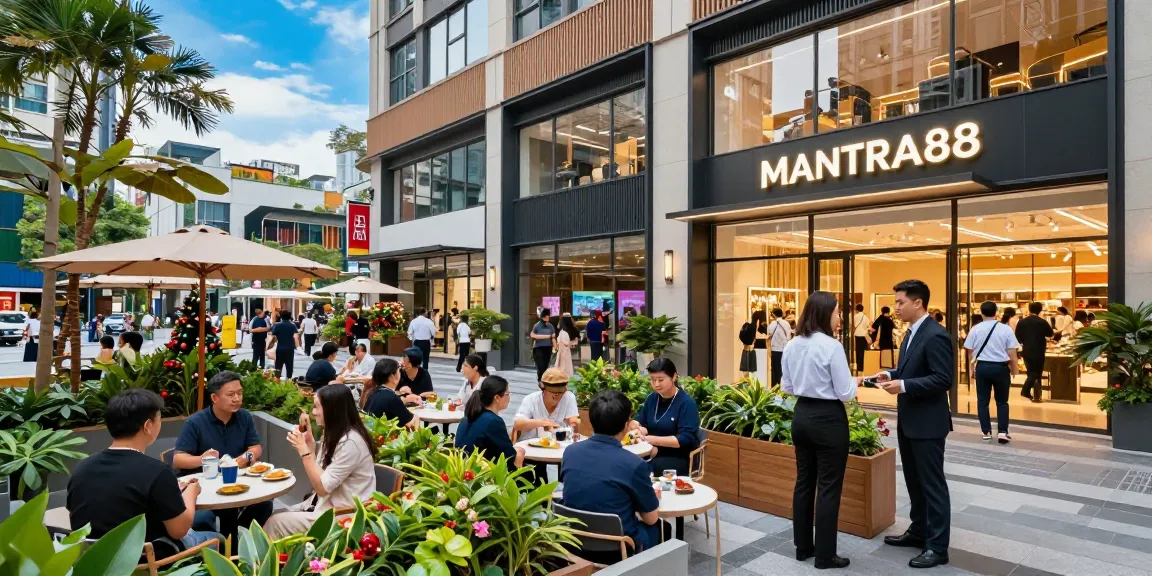
Understanding the Commercial Property Market in 2026
As we step into 2026, the landscape of the commercial property market is evolving rapidly. With a convergence of technological advancements, shifting demographics, and changing consumer behaviors, stakeholders must adapt to stay competitive. The commercial property market encompasses a wide array of assets, including office buildings, retail spaces, industrial properties, and entertainment venues. To navigate these changes effectively, investors, property managers, and developers need to understand current trends and market dynamics. When exploring options, www.mgoldproperties.com provides comprehensive insights into market trends and opportunities.
Current Trends and Insights in Commercial Real Estate
The global commercial real estate market is showing signs of resilience while also undergoing significant transformations. Analyzing market trends indicates a strong emphasis on flexibility and sustainability. Buildings are not merely viewed as physical structures anymore; they are increasingly seen as dynamic environments that need to cater to the changing needs of tenants. Here are some pertinent trends shaping the market in 2026:
- Flexible Workspaces: The rise of remote and hybrid work models has led to increased demand for flexible office spaces. Companies are gravitating toward co-working and serviced offices that offer adaptability without long-term commitments.
- Green Buildings: Sustainability continues to be a priority, with developers focusing on eco-friendly materials and energy-efficient designs. Properties with green certifications are attracting higher occupancy rates and commanding premium rents.
- Mixed-Use Developments: Communities are increasingly favoring mixed-use developments that combine residential, commercial, and recreational spaces, creating vibrant environments that foster community engagement.
Impact of Technology on Property Management
Technology is revolutionizing property management by streamlining operations and enhancing tenant experiences. The integration of smart technologies allows building managers to optimize maintenance, control energy use, and ensure security. Some key technological innovations include:
- Smart Building Systems: Automated systems for lighting, heating, and cooling can significantly reduce energy consumption and operational costs.
- Property Management Software: Advanced software solutions provide landlords with tools to manage leases, track payments, and communicate with tenants more efficiently.
- Virtual Tours and Augmented Reality: These technologies are transforming how potential tenants view properties, providing immersive experiences that can significantly influence leasing decisions.
Key Demographics Shaping the Future Market
The demographic landscape is pivotal in driving demand for commercial properties. With Millennials and Gen Z becoming primary consumers and workers, their preferences significantly influence the types of spaces that are in demand. These groups prioritize experience and accessibility, prompting property owners to adapt their offerings.
Design Principles for Engaging Commercial Spaces
Design plays a crucial role in making commercial properties attractive to tenants and customers. An engaging space can foster productivity, enhance customer experience, and ultimately drive profitability. Here are some vital design principles to consider:
Creating Inclusive and Accessible Environments
Designing inclusive spaces that cater to a diverse range of needs enhances accessibility and user experience. This involves considering various factors such as:
- Wheelchair accessibility and wider corridors
- Clear signage with large fonts for visibility
- Rest areas that cater to different age groups
Inclusive design not only adheres to regulations but also attracts a broader customer base and enhances brand reputation.
Using Innovative Technologies in Building Design
Integration of innovative technologies such as IoT devices in building designs can lead to smarter operations. By utilizing sensors that monitor real-time data, building managers can ensure optimal conditions for tenants, which improves satisfaction and reduces turnover rates. Innovations such as 3D printing for construction can also minimize waste and reduce costs.
Balancing Aesthetics and Functionality
While aesthetics are essential in attracting tenants, functionality should not be compromised. A well-designed commercial space should encourage productivity while reflecting the brand’s image. Key considerations include:
- Open floor plans that promote collaboration
- Natural lighting to enhance mood and well-being
- Outdoor spaces that provide relaxation and rejuvenation
Marketing Strategies for Attracting Tenants
Effective marketing strategies are vital for attracting tenants in a competitive market. As the landscape shifts, incorporating modern marketing techniques becomes increasingly important. Here are some strategies that can yield results:
Leveraging Digital Marketing for Visibility
In an era dominated by digital media, having a robust online presence is essential. This includes optimizing websites for search engines and utilizing social media platforms to engage potential tenants. Content marketing, such as blogs and virtual tours, can also showcase properties effectively and draw in interested parties.
Building a Strong Online Presence
Having a user-friendly website that provides comprehensive information about available properties is crucial. Implementing SEO strategies to improve visibility can make a substantial difference in attracting organic traffic. Regular updates and maintaining an active blog can position a company as an industry leader.
Networking and Community Engagement Techniques
Active participation in community events and engaging with local businesses can foster relationships that lead to referrals. Establishing partnerships can also enhance visibility and credibility in the market.
Investment Opportunities and Financing Options
The commercial property market presents various investment opportunities for both seasoned investors and newcomers. Understanding the financing options is crucial for making informed decisions. Some key areas to explore include:
Real Estate Investment Trusts (REITs) Explained
REITs offer an accessible way for investors to gain exposure to the real estate market without directly purchasing properties. They provide the benefits of diversification and liquidity, making them an attractive option for many.
Creative Financing Solutions for New Developments
Developers are increasingly looking at alternative financing options, such as crowdfunding and peer-to-peer lending, to fund new projects. These innovative solutions can provide the necessary capital while enabling investors to enter the market with lower barriers.
Evaluating Risks and Returns in Commercial Projects
Investors must conduct thorough due diligence to assess the potential risks and returns associated with commercial properties. This includes analyzing market trends, location desirability, and property management efficiency to make educated investment choices.
Future-Proofing Your Commercial Properties
As consumer preferences continue to evolve, future-proofing commercial properties is essential for long-term success. This approach entails adapting to changes and implementing sustainable practices:
Adapting to Changing Consumer Behaviors
Understanding consumer behavior is vital for making informed decisions about property features and amenities. Analyzing data on shopping habits, preferences for services, and demand for experiences can guide the development of attractive spaces.
Incorporating Sustainability into Property Management
With increasing awareness of environmental issues, integrating sustainable practices into property management is no longer optional. From energy-efficient systems to waste reduction strategies, sustainable management enhances property appeal and reduces operational costs.
Emerging Trends: What to Watch for Beyond 2026
Looking forward, emerging trends such as the increasing importance of wellness in workspace design and the potential of virtual reality in real estate marketing will shape the future of the commercial property market. Staying informed and agile will be key for those looking to thrive.
How is Technology Streamlining Property Management?
Technology is simplifying property management tasks through automation, real-time analytics, and tenant engagement platforms. This not only enhances operational efficiency but also improves tenant relationships and satisfaction.
What Are the Key Features of Modern Commercial Spaces?
Modern commercial spaces are defined by accessibility, sustainability, and technology integration. Features like energy-efficient systems, flexible layouts, and smart technologies are becoming standard expectations.
Why is Community Engagement Critical for Property Success?
Building strong community relationships enhances tenant retention and attracts new occupants. Engaging with local stakeholders and participating in community initiatives fosters goodwill and boosts property value.
How to Measure the Success of Commercial Developments?
Success metrics for commercial developments include occupancy rates, tenant satisfaction levels, and financial returns. Regular assessments and feedback mechanisms can help property managers refine their strategies and ensure sustained success.
What are the Benefits of Investing in Commercial Properties?
Investing in commercial properties offers stability, rental income, and the potential for value appreciation. Additionally, commercial real estate can provide diversification for an investment portfolio.
What Future Trends Will Impact Commercial Real Estate?
As we move forward, trends such as digital transformation in property management, the rise of remote working, and increased consumer focus on sustainability will significantly impact the commercial real estate landscape.